
Charlar Acar | September 10, 2026
Lifestyle

Walk into the Nike store at 611 Broadway this week and you're standing in a space with a built-in shelf life. Nobody at Nike has said exactly when it closes. But the company has said what it's tied to, and none of those things are permanent fixtures of the neighborhood. The building two blocks south, the one this store replaced, has a different retail timeline.
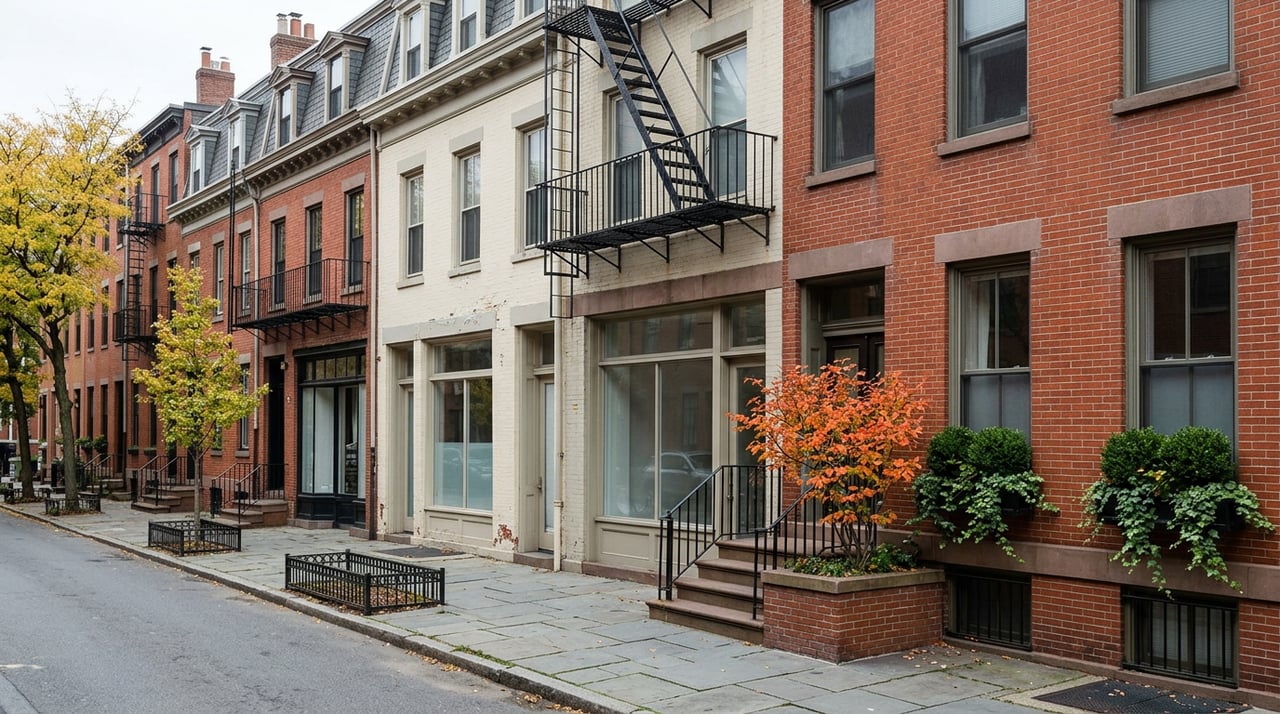
For a decade, the address most people associated with Nike in SoHo was 529 Broadway, at the corner of Spring Street. That store closed on January 10 this year, ending a run that started when the swoosh signed a lease at a reported $257 per square foot, a number that tells you how much a Broadway corner was worth to a global retailer even back then. The building sold for $213 million to Ingka Investments, the property arm of the company that owns IKEA, and it's being converted into something that will look nothing like a sneaker showroom. IKEA's own store page currently lists the location as under construction, with a planned opening in fall or winter of this year.
So the swoosh had to go somewhere. It landed two blocks north at 611 Broadway, in the Cable Building, a space that spent years as a Crate & Barrel before Kith briefly used it as a pop-up while renovating its own store nearby. Nike's return to Broadway takes a different form this time.
Reporting from WWD confirms what Nike itself has said out loud: this is a temporary location, tied to a run of events rather than a long-term lease. The store opened April 16 with installations planned around the FIFA World Cup, the US Open, and the New York City Marathon on November 2. Nike hasn't disclosed a closing date, which means the honest answer to "how long will this store be here" is: through at least the marathon, and after that, nobody outside the company knows.
The store occupies one of the most visible retail corners in Manhattan. Nike's own head of North America store development, Chris Littrell, described the move as a deliberate break from the old playbook, choosing speed and cultural relevance over another five-floor showcase. The location sits directly across Broadway from Adidas' flagship, which has anchored that corner since 2004, so the two sneaker brands now have stores across Broadway from one another, with Nike's location tied to a run of events.
If you've shopped there this spring or summer, you saw that event-led approach in practice.
Meanwhile, 529 Broadway sits behind construction. That building, completed in 2016 with a terra-cotta facade designed to nod at SoHo's cast-iron heritage, is being split into a smaller IKEA showroom on the lower floors and office space above. IKEA has tried compact Manhattan concepts before and hasn't always made them stick. A Third Avenue planning studio lasted three years. A Rego Park location closed even faster. That ownership is part of what distinguishes this project from IKEA's earlier compact concepts.
If the timeline holds, this is plausibly the season it opens. Watch that corner. When the scaffolding comes down, the building that used to sell $200 sneakers will be selling flat-pack furniture, and it will likely still be there next fall, next spring, and the one after that. That would put IKEA's planned store on a different timeline from Nike's temporary location two blocks north.
Elsewhere, recent and planned additions include businesses and the New Museum expansion.
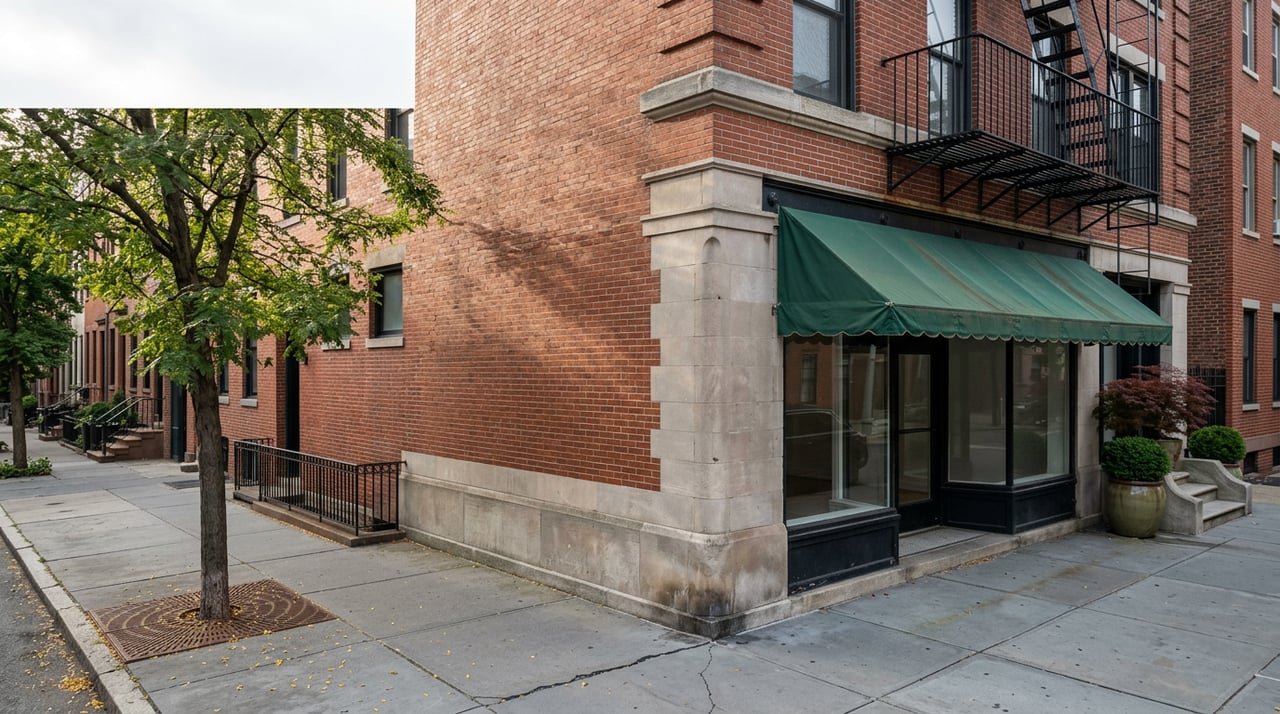
On Grand Street, the corner that sat empty since Keith McNally closed Lucky Strike in April 2020 finally has a tenant again. British chef Thomas Straker, known in London for his butter-forward cooking at his Notting Hill restaurant, opened his first US location there this spring, taking over a space that had been vacant for the better part of six years. It fills a gap that had been sitting empty long enough that most people walking past it stopped noticing there was a gap at all.
A few blocks over on Lafayette Street, the Auer family, longtime bakers in Austria, is bringing their signature 100 percent rye sourdough loaf to New York for the first time at a concept called RYE by Martin Auer, slated to open this year at 285 Lafayette. The loaf itself is built from four ingredients: rye grain, water, salt, and time. It's a narrow, specific addition to the morning food options on that stretch, and it's the kind of business that tends to stick around because it isn't chasing a moment.
And then there's the biggest structural change to hit the neighborhood's edge in years. The New Museum reopened on March 21 after a two-year closure, with a new seven-story addition designed by OMA that doubles its gallery space and puts a working restaurant, run by chef Julia Sherman, inside a building most SoHo residents can reach on foot. As Designboom reported, museum director Lisa Phillips described the expanded building as
"our redoubled commitment to new art and new ideas."
The two structures meet at what the museum calls a kiss point on Prince Street, marked by a new facade sculpture from artist Tschabalala Self. The expansion is a capital project.
Here's a loop that strings these neighborhood additions together, roughly forty minutes at an unhurried pace:
The loop links local businesses and the New Museum.
This fall's SoHo openings and plans have different timelines. The Nike store is tied to a run of events, while RYE by Martin Auer is a planned opening on Lafayette Street. Together, they offer one way to read the neighborhood's current retail mix.
If you're weighing what any of this means for property on these blocks, from a building converting its ground floor for the first time in a decade to a corner finally filling a six-year vacancy, that's the kind of read Charlar Acar does for clients across SoHo and the rest of downtown Manhattan every day. Get Access To Our Private Listings to see what's moving before it's public.
Stay up to date on the latest real estate trends.
October 15, 2026

Market Update
Charlar Acar | October 10, 2026
Supply Is Still Tight. Buyers Are Discerning. Luxury Continues To Outperform
October 8, 2026
October 1, 2026
Market Update
Charlar Acar | September 25, 2026

Homebuyers
Charlar Acar | September 25, 2026
September 24, 2026
September 17, 2026
Lifestyle
Charlar Acar | September 10, 2026
For more than 6 years as an ABR, he has merited the trust of his clients and the respect of his colleagues in the real estate industry. He keeps confidences and represents each party with the highest level of service while bringing intelligence and skill to each transaction, large or small.