
February 5, 2026

Considering a move to Hudson Yards? You’ve likely heard about the gleaming towers and world-class amenities, but you might be wondering what day-to-day life actually looks like here. You want the convenience and polish, without the surprises. In this guide, you’ll get a clear, practical look at homes, amenities, commuting, costs, and tradeoffs so you can decide if Hudson Yards fits your lifestyle. Let’s dive in.
Hudson Yards is a master-planned district built over active rail lines on Manhattan’s West Side. The result is a curated, contemporary neighborhood with modern glass towers, wide sidewalks, and a large public plaza and gardens at the center. It reads more like a cohesive district than a patchwork of older blocks.
You’ll find a mix of office towers, luxury residences, a sizable retail concourse with dining, and cultural destinations. Because the area was developed in phases through the late 2010s and early 2020s, some parts saw heavy visitor traffic from the start while other pieces came online over time. Today, you get an upscale streetscape and a concentration of services, with Chelsea and the Meatpacking District nearby if you want a more historic, eclectic vibe.
Most residential options are luxury high-rise condominiums and full-service rentals. Units often feature modern finishes, floor-to-ceiling windows, and views toward the Hudson River, the Midtown skyline, or the High Line. Buildings typically offer 24/7 doorman and concierge, full-scale fitness centers and studios, pools in select properties, resident lounges, business centers, children’s playrooms, pet areas, and bike storage. Many properties also include valet or on-site parking.
Service levels are high. Expect hospitality-style touches like concierge-arranged services, package handling, and building-hosted events. If you value turnkey living with minimal maintenance, this environment delivers it.
Amenity-rich living comes with carrying costs. Renters usually pay a premium for full-service buildings. Buyers should expect meaningful monthly HOA or common charges, plus property taxes and any assessments. It helps to review the full fee schedule and clarify which amenities require reservations or extra charges.
Everyday chores are simple. You have direct access to a large retail center with national brands and a range of dining options, plus standard chain pharmacies and medical offices nearby. Grocery runs are typically a short walk, and many residents rely on same-day delivery for staples.
If you want independent shops and galleries, you can walk a few blocks into Chelsea or down toward the Meatpacking District. You get the convenience of a curated retail hub, with more character-driven storefronts close by.
Hudson Yards blends casual and high-end dining, including chef-driven concepts and destination restaurants. Because the district is also a visitor magnet, you’ll notice more non-resident foot traffic near the retail complex and popular venues, especially on weekends.
Cultural anchors include The Shed, which hosts rotating arts programming, and Edge, the observation deck set in one of the office towers. Seasonal public programs often activate the central plaza. If you like to step out for events on short notice, you’ll have plenty of options right downstairs.
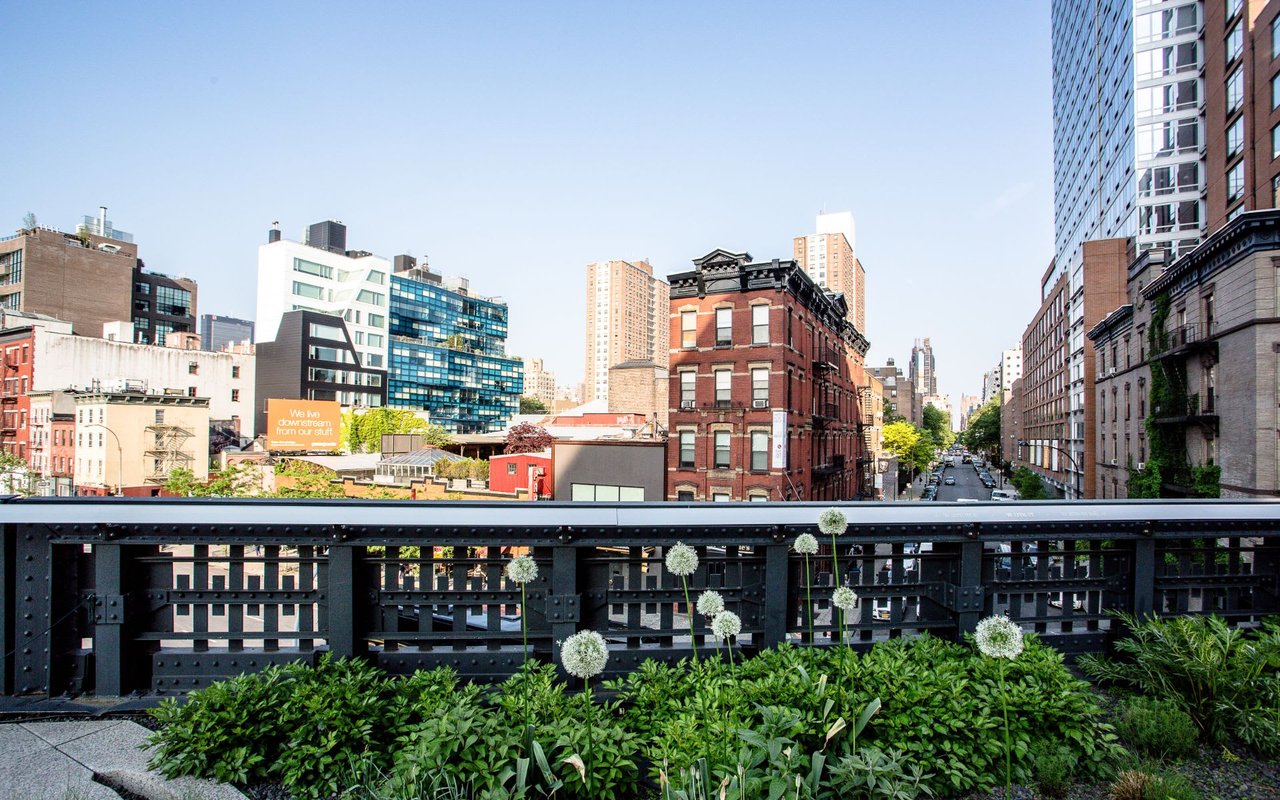
The High Line ends at Hudson Yards, giving you immediate access to an elevated park with walking paths and public art. For longer runs, cycling, or waterfront time, the Hudson River Park and Greenway are a short walk west and south. These spaces add balance to high-rise living and make workouts easy to fit into your day.
Within the district, the plaza and gardens offer seating, plantings, and periodic installations. The scale feels open and modern rather than intimate, so it reads differently from smaller neighborhood parks. If you prefer quiet corners, you may find them more often along the river or on less traveled sections of the High Line.
The 7 train extension to 34th Street–Hudson Yards is your primary subway connection. It gives you a straight shot across Midtown with transfers to reach the rest of the city. For regional travel, Penn Station and Moynihan Train Hall are within walking distance, connecting you to LIRR, NJ Transit, and Amtrak.
Local buses and crosstown routes fill gaps, and many residents walk to nearby transit hubs. Cycling is popular thanks to the Hudson River Greenway and local bike-share docks. Driving is feasible with building garages or valet in many towers, though street parking is limited and congestion is a factor.
Practical tip: try a commute test during your normal hours. The 7 runs efficiently, but transfers and rush-hour crowds can change door-to-door times.
Residents often include high-income professionals in finance, tech, and media, downsizers seeking modern amenities, international buyers, and renters who want a high-service building close to Midtown. You’ll also see households who appreciate the new-build design and streamlined daily routine.
Pricing sits at the luxury end of Manhattan’s market. Both rent and purchase prices are generally above city averages, with carrying costs that reflect the amenities and services. Inventory includes investor-owned units as well as end-user homes, so turnover and absorption can vary with the broader market.
Expect heavier foot traffic around the retail concourse, observation deck entries, and popular restaurants. Weekday mornings and evenings bring office commuter flows, while weekends see more tourists. Inside residences, modern construction and double-glazed windows commonly reduce street noise, though any nearby construction can affect sound levels.
The best way to calibrate expectations is to visit at different times of day. Try a weekend afternoon, a weekday evening, and a morning rush to get a feel for patterns.
Public school options follow the New York City Department of Education system. Because the development footprint is newer and more commercial, some households research options across nearby neighborhoods such as Chelsea or Hell’s Kitchen. Others consider private schools or commute for specific programs.
From a building perspective, many properties include children’s playrooms and convenient access to parks and the waterfront for outdoor time. If schools are a key factor, review zones and admissions timelines early in your process.
Use this quick checklist to avoid surprises:
If you want a modern, amenity-rich lifestyle with concierge-level services, easy access to Midtown and regional rail, and direct connections to the High Line and the waterfront, Hudson Yards delivers. The tradeoffs are premium pricing, a curated feel, and periodic visitor surges near attractions. Weigh these factors against your routines and preferences, and you’ll quickly see if the district aligns with how you like to live.
Ready to explore buildings and compare carrying costs by line and view? Reach out to Charlar Acar for discreet guidance, curated options, and access to select private listings that fit your brief.
Stay up to date on the latest real estate trends.
October 15, 2026

Market Update
Charlar Acar | October 10, 2026
Supply Is Still Tight. Buyers Are Discerning. Luxury Continues To Outperform
October 8, 2026
October 1, 2026
Market Update
Charlar Acar | September 25, 2026

Homebuyers
Charlar Acar | September 25, 2026
September 24, 2026
September 17, 2026

Lifestyle
Charlar Acar | September 10, 2026
For more than 6 years as an ABR, he has merited the trust of his clients and the respect of his colleagues in the real estate industry. He keeps confidences and represents each party with the highest level of service while bringing intelligence and skill to each transaction, large or small.