
Charlar Acar | February 19, 2026
Lifestyle
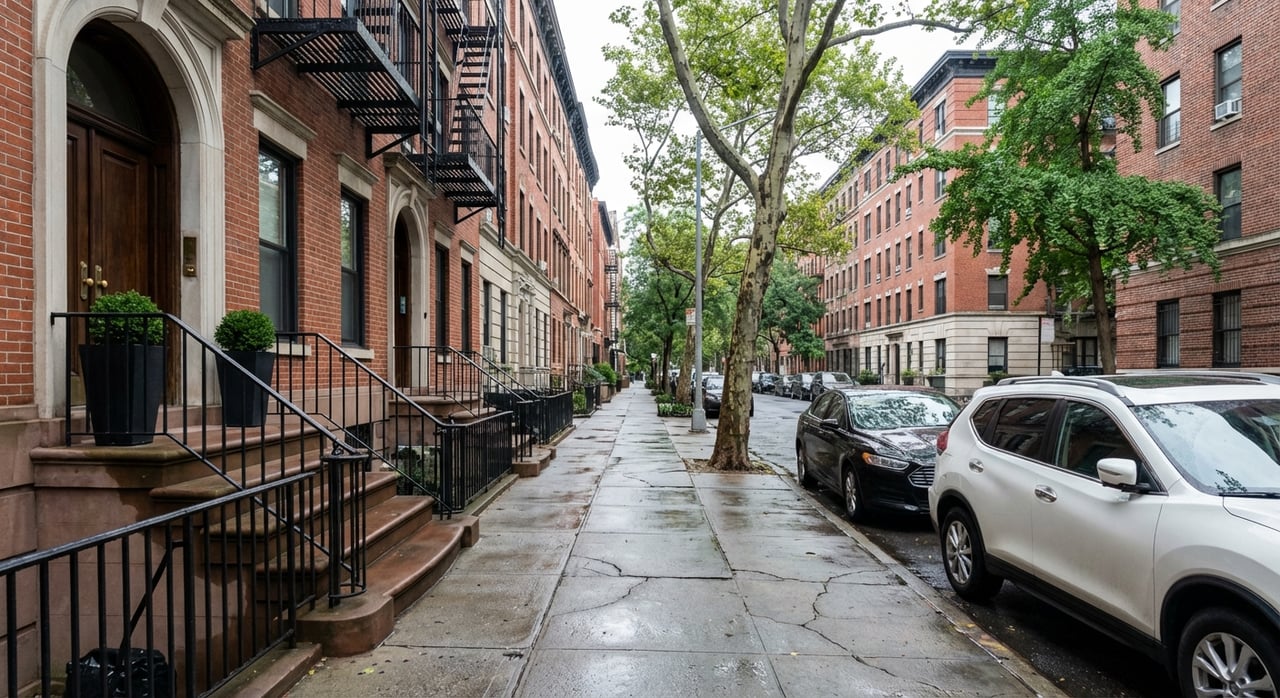
What does it really feel like to live between Central Park and Riverside Park? If you picture quiet, tree-lined blocks that open to two very different green spaces, you’re on the right track. Life here balances calm with culture, with daily routines shaped by transit, museums, and classic Manhattan buildings. In this guide, you’ll learn how the Upper West Side works day to day, how to navigate co-ops and condos, and what to expect from each pocket of the neighborhood. Let’s dive in.
The Upper West Side stretches from Central Park on the east to the Hudson River on the west, and from West 59th Street to West 110th Street. Its main north-south avenues are Riverside Drive, West End Avenue, Broadway, Amsterdam Avenue, Columbus Avenue, and Central Park West. Community District 7 covers most of the area and ZIP codes often include 10023, 10024, and 10025. You can trace these edges and corridors on the Upper West Side overview.
Living here means you can choose a morning in Central Park or a sunset along the Hudson, all within minutes. The east side offers broad lawns and iconic landscapes. The west side gives you a long, quiet waterfront path and open sky.
Central Park delivers big, open moments and easy routines. The Reservoir loop draws runners and walkers, Sheep Meadow and the Great Lawn are ideal for picnics, and Strawberry Fields invites reflective evening strolls. Programs and seasonal events run all year, which you can track through the Central Park Conservancy.
Riverside Park runs along the Hudson with river views, playgrounds, sports courts, and a promenade that links into the Manhattan Waterfront Greenway. It is a favorite for biking, long walks, and quiet coffee by the water. Learn more about its layout and features on the Riverside Park overview and the Manhattan Waterfront Greenway.
A common day might start with a Reservoir loop, a quick stop for a bagel, and an evening walk by the river. You can shift from Central Park’s lawns to the Hudson promenade with a short, scenic walk across Columbus or Amsterdam.
The UWS feels calm yet well connected. Subway coverage is strong, crosstown options are steady, and the waterfront path simplifies bike commutes.
You have express and local options on Broadway for the 1, 2, and 3 lines, and B and C trains along Central Park West. Service patterns can change on weekends and late nights, so check MTA maps and advisories when planning.
Many residents bike along the Hudson via the protected Greenway. It is a direct path for exercise and commuting, and it links north and south with limited street crossings.
Regular crosstown buses connect the avenues and the parks. For airports, you can mix subway lines, buses, and AirTrain connections or take a car. Times vary, so confirm routes on MTA maps before you go.
Daily life here blends specialty shops with practical chains. You can run a full set of errands within a few blocks.
Zabar’s at 80th and Broadway is a neighborhood landmark for smoked fish, cheeses, and grab-and-go items. It is a go-to for picnic supplies and weekend breakfasts. Check directions and hours on the Zabar’s site.
You’ll find diners, bakeries, casual bistros, and seasonal outdoor seating near Columbus Avenue and Lincoln Square. The mix supports easy weeknight dinners and special nights out, often within the same stretch of blocks.
Arts and culture shape the south and central blocks of the UWS. Many residents build their week around museum visits, classes, and evening performances.
At the south end of the neighborhood, Lincoln Center hosts the New York Philharmonic, Metropolitan Opera presentations, New York City Ballet, and more. Its plazas and public programs make culture feel close to home. Read an overview on the Lincoln Center page.
The American Museum of Natural History anchors Central Park West in the 70s and 80s and draws steady daytime activity with permanent halls and kids’ programs. Explore exhibits and visiting details on the AMNH site. The New-York Historical Society and smaller museums add depth along the park edge.
A typical day might flow from a morning run around the Reservoir to a museum visit, lunch on Columbus, an hour at a bookstore, and then an evening performance at Lincoln Center. That easy shift from quiet blocks to major venues is a core part of Upper West Side living.
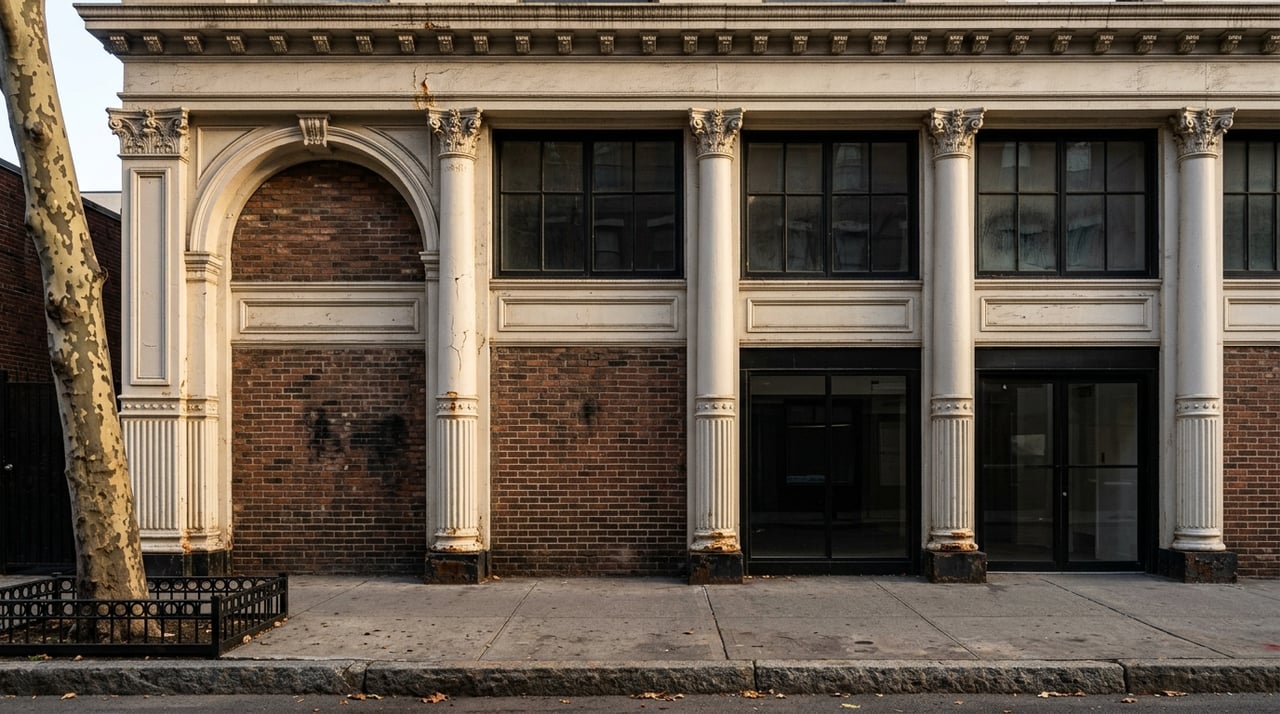
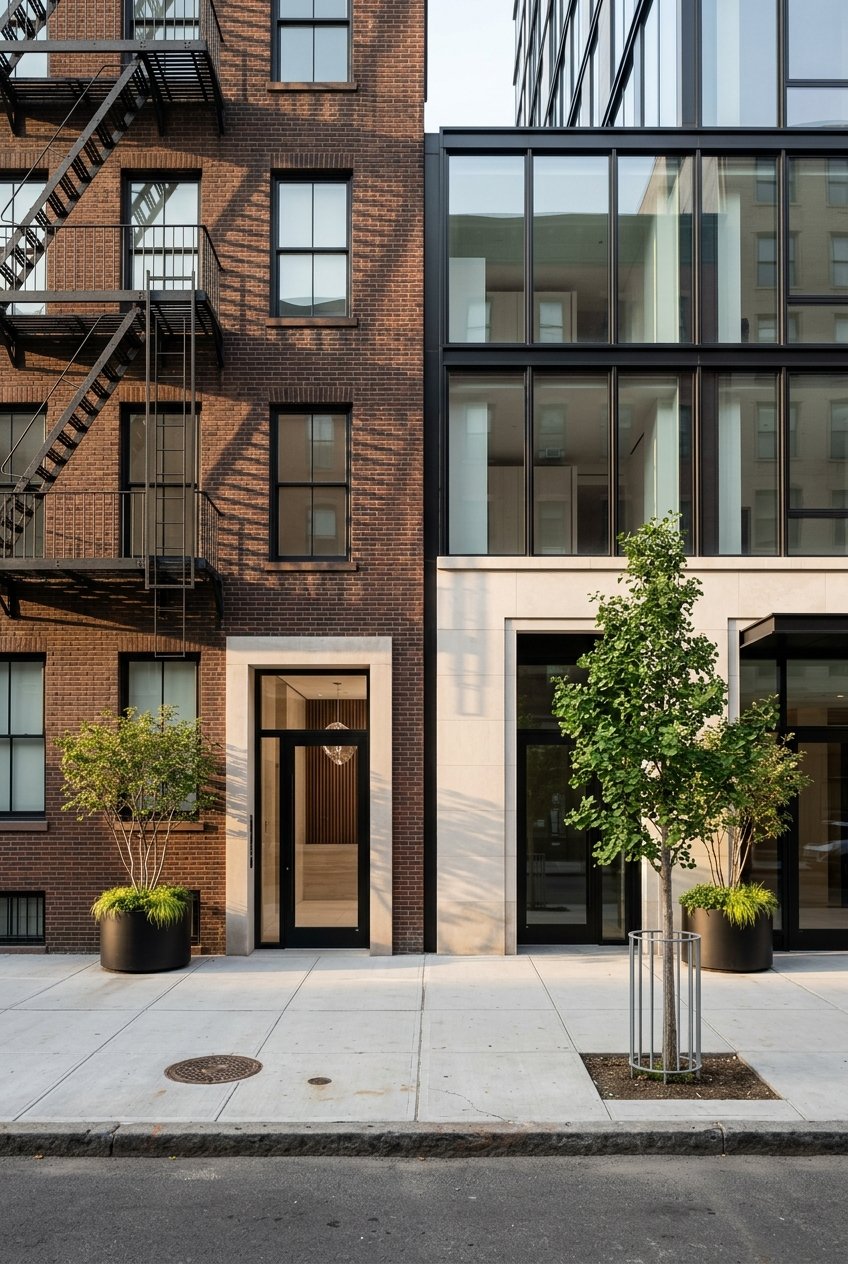
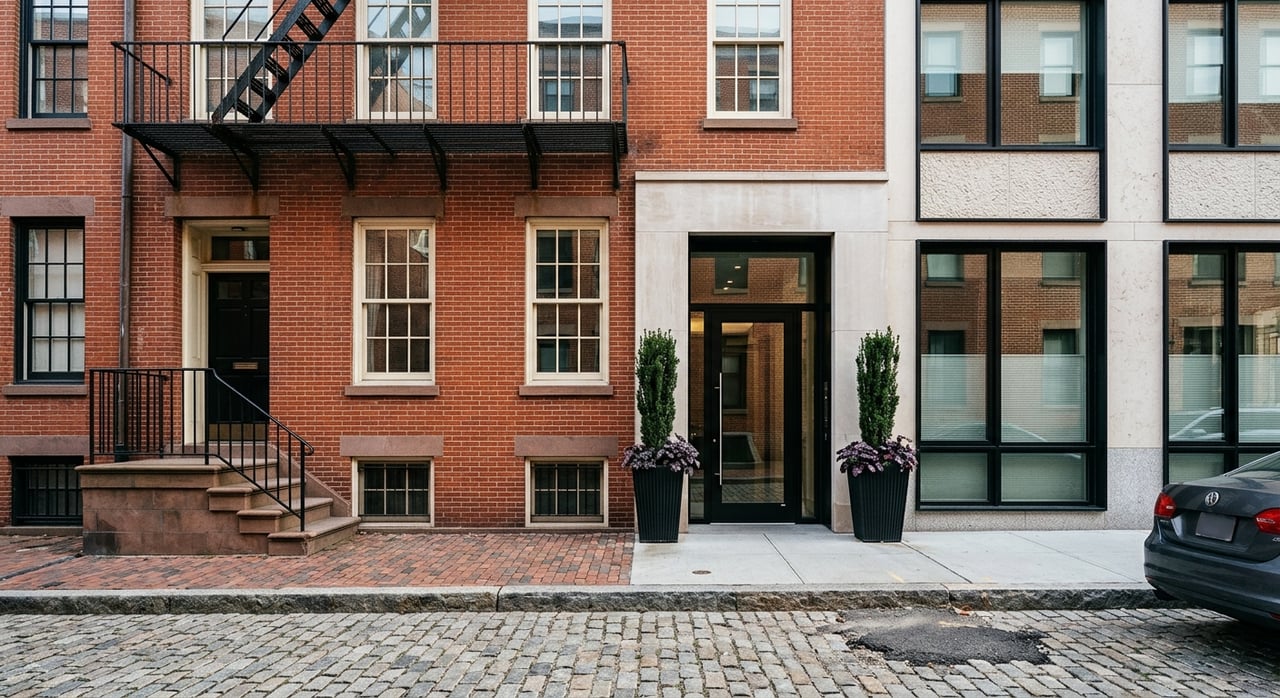
The built environment blends prewar detail with modern glass, which creates the classic UWS look most people picture.
You’ll see many prewar co-op buildings on Central Park West and Riverside Drive, plus rowhouse blocks and brownstones across the mid-avenues. Architectural icons like the Dakota and the San Remo shape the skyline, while newer condo towers appear in Lincoln Square and near Columbus Circle. This mix is a hallmark of the Upper West Side streetscape.
Co-ops are common on the UWS. They typically require board approval, larger down payments, and monthly maintenance fees, which can affect your timeline and financing. Newer condos usually have fewer board restrictions and a different ownership structure. For a high-level read on Manhattan’s condo and co-op dynamics, see this market analysis overview.
Sales activity varies by building type and by proximity to the parks. Inventory, days on market, and price per square foot can differ block to block. Use current neighborhood reports when you are ready to move, since pricing shifts quickly and micro-markets matter most at the building level.
A wide range of residents live here, from long-time New Yorkers to newer arrivals who want green space and culture within walking distance.
Playgrounds, school options, and museum programs shape much of the daytime rhythm, and nearby colleges to the north influence the arts-and-education feel. Community profiles for Manhattan Community District 7 help frame these trends. You can review a data snapshot on DataUSA for CD7.
Outside of major attractions like AMNH and Lincoln Center, most residential streets feel steady and neighborly. The UWS is generally calmer than Midtown, though you will notice more foot traffic around cultural hubs and along Broadway. For broader context, see the Upper West Side overview.
Proximity to the parks, transit lines, and cultural anchors guides most searches here. Some buyers prefer Central Park West for park access and prewar co-ops. Others choose Broadway or Amsterdam for dining and transit. Riverside Drive and West End Avenue offer quiet blocks with quick access to the Hudson promenade. Micro-markets can vary by building and block, so align your wish list with real inventory and recent comps when you are ready to act.
Ready to explore the Upper West Side with tailored guidance, off-market access, and clear board navigation? Connect with Charlar Acar for a private, step-by-step search that fits your routine and your goals.
Stay up to date on the latest real estate trends.
June 25, 2026
Lifestyle
Charlar Acar | June 18, 2026
Lifestyle
Charlar Acar | June 11, 2026
Lifestyle
Charlar Acar | June 4, 2026
May 28, 2026
Homebuyers
Charlar Acar | May 21, 2026
May 14, 2026
Charlar Acar | May 7, 2026
Lifestyle
Charlar Acar | April 23, 2026
For more than 6 years as an ABR, he has merited the trust of his clients and the respect of his colleagues in the real estate industry. He keeps confidences and represents each party with the highest level of service while bringing intelligence and skill to each transaction, large or small.