
April 2, 2026
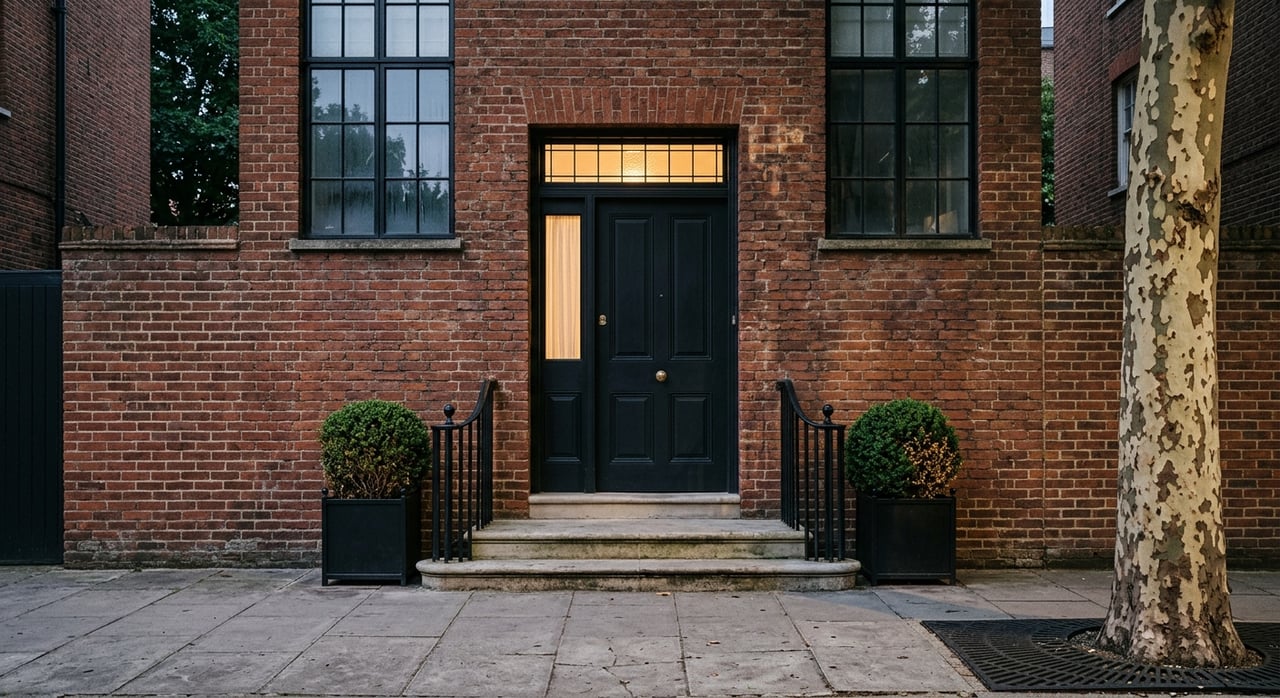
If you want to sell a West Village home without broadcasting it to the world, you are not alone. In a neighborhood known for high-value properties, limited inventory, and intense buyer interest, privacy can feel just as important as price. The good news is that you can protect confidentiality and still pursue a strong outcome if you understand the rules, the trade-offs, and the preparation involved. Let’s dive in.
West Village remains one of Manhattan’s most sought-after housing markets, with a mix of historic townhouses, walk-ups, condos, and co-ops that draws steady attention from serious buyers. According to StreetEasy’s West Village neighborhood data, the area has a median sale price of $1.5 million, while Zillow’s local housing snapshot also reflects a limited-for-sale environment with relatively few active listings.
That combination can make a discreet sale appealing. You may want to limit public visibility for personal, financial, or security reasons, especially if your home is a townhouse, a high-floor condo, or a well-known address. In this type of market, a privacy-first strategy can work, but only when your pricing, presentation, and buyer targeting are handled carefully.
In New York City, discreet selling is not the same thing as ignoring the listing system or casually calling something off-market. Under REBNY’s Residential Listing Service rules, there are specific limited-exposure options that allow sellers to control how widely a property is shared.
These options matter because the terminology is regulated. REBNY specifically notes that pocket listings are prohibited, and the term off-market should not be used to describe an exclusive listing. For you as a seller, the practical takeaway is simple: privacy is possible, but it has to be structured correctly.
Here are the main routes a seller may consider under current guidance:
The right choice depends on your building type, privacy goals, and appetite for market exposure.
A discreet sale can protect your privacy, but it may also reduce the size of your buyer pool. In a neighborhood where pricing can be sensitive and inventory is tight, that trade-off deserves careful thought.
Redfin’s West Village housing market data reports a February 2026 median sale price of $1.6 million and a median 61 days on market. That context suggests there is demand, but not every property sells instantly, and launch strategy still matters.
If fewer buyers see your property, you may have fewer opportunities to test pricing and generate urgency. That does not mean a discreet approach is a mistake. It means the narrower your exposure, the more important it is to enter the market with credible pricing, polished presentation, and a clear outreach plan.
The smartest discreet-sale strategy is often not the most secretive one. It is the one that preserves the level of confidentiality you want while still giving enough qualified buyers a chance to engage.
For some sellers, that means a Participant Only or Owner Opt-Out path. For others, a delayed public launch or Coming Soon period creates a better balance between privacy and price discovery. REBNY’s syndication and listing guidance makes clear that the exact distribution rules depend on the listing structure and whether the broker is operating under REBNY’s RLS or another MLS framework.
Before you launch, ask yourself:
Your answers help shape the right plan. In the West Village, where every property can attract a slightly different buyer profile, this decision should be intentional rather than reactive.
One of the biggest misconceptions about discreet selling is that less marketing means less diligence. In reality, a private campaign often requires more preparation, not less.
For one-to-four-family homes and townhouses, New York’s Property Condition Disclosure Statement guidance makes it important to organize facts about the property early. That includes flood-related information, water intrusion history, and any known lead-paint context for pre-1978 buildings.
Starting July 1, 2025, New York requires a Property Condition Disclosure Statement for residential real property sales, although condominium units and cooperative apartments are excluded. The seller must deliver the form before the buyer signs a binding contract, answer based on actual knowledge, and revise the statement if later information makes the original materially inaccurate before transfer or occupancy.
Condos and co-ops are treated differently for the state disclosure form, but buyers still expect solid documentation. The New York Attorney General’s co-op and condo guidance encourages buyers to review the full offering plan, building conditions, board minutes, and financial reports.
For you as a seller, that means having the following ready before a discreet launch can make the process smoother:
A private marketing plan works best when buyers can move from interest to diligence without delays.
In the West Village, transfer taxes can meaningfully affect your proceeds. That is why it helps to model them early, especially if you are comparing a private sale with a broader launch strategy.
According to the New York State transfer tax guidance, New York imposes a basic real estate transfer tax of $2 per $500 of consideration. The same source also notes an additional 1% mansion tax on residences with consideration of $1 million or more.
New York City also imposes the Real Property Transfer Tax, with residential rates of 1% at $500,000 or less and 1.425% above that threshold. The city filing is due within 30 days after transfer. If your goal is discretion and efficiency, understanding your likely net proceeds from the start can help you avoid pricing decisions that create unnecessary friction later.
This point often surprises sellers. A discreet campaign can limit how your home is marketed, but it does not make the completed transaction invisible.
New York City property records are public, and ACRIS provides access to recorded deeds and related property documents. REBNY also notes that residential sales are recorded and publicly available on ACRIS whether the property was marketed privately or through an MLS.
If ownership structure is part of your privacy planning, that should be reviewed early with your legal and tax advisors. The state guidance also notes that if an LLC is involved in a deed transfer of a building containing up to four family dwelling units, tax filings require documentation identifying the LLC’s members, managers, and other authorized persons.
If you are considering a private or limited-exposure sale, the strongest approach is usually disciplined rather than dramatic. You do not need a vague off-market strategy. You need a plan that matches current rules, protects your position, and still gives your property a fair chance to find the right buyer.
A strong framework often looks like this:
In a market like the West Village, the best discreet sales are rarely accidental. They are well prepared, properly structured, and carefully executed.
If you are weighing how to sell privately without losing control of pricing or process, working with an advisor who understands Manhattan’s rules, building nuances, and confidentiality concerns can make the path much clearer. To discuss a tailored strategy for your property, connect with Charlar Acar.
Stay up to date on the latest real estate trends.
September 17, 2026

Lifestyle
Charlar Acar | September 10, 2026

September 3, 2026

Luxury Real Estate
Charlar Acar | August 27, 2026

August 27, 2026

Lifestyle
Charlar Acar | August 13, 2026
August 13, 2026
August 6, 2026
Lifestyle
Charlar Acar | July 23, 2026
For more than 6 years as an ABR, he has merited the trust of his clients and the respect of his colleagues in the real estate industry. He keeps confidences and represents each party with the highest level of service while bringing intelligence and skill to each transaction, large or small.