
Charlar Acar | March 24, 2026
Lifestyle
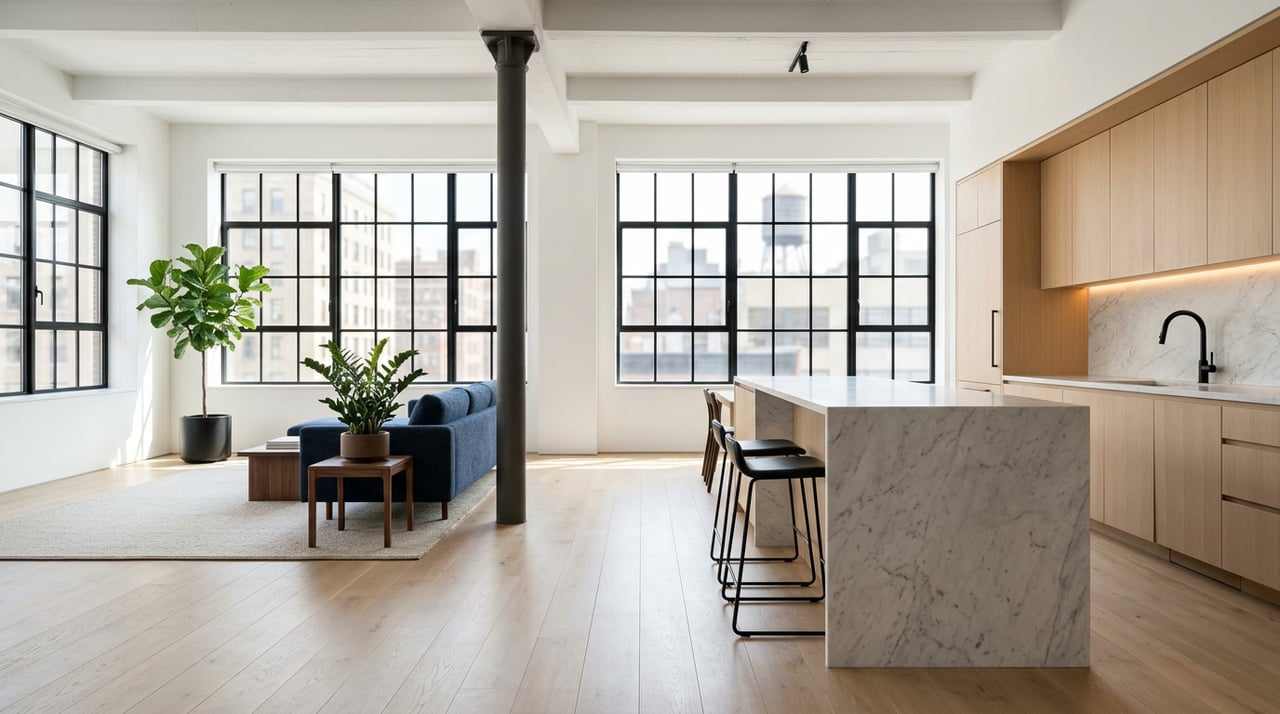
Selling a Tribeca loft is different from selling a typical apartment. Luxury buyers here notice volume, light, craftsmanship and documentation in seconds, and they move quickly when the story is tight. If you are planning to sell, you want every element to reinforce value and confidence. In this guide, you will learn what today’s buyers prioritize, how to prepare and present your loft, when to consider a private launch, and how to price for a strong result. Let’s dive in.
Your “volume story” is a primary value driver. Buyers respond to clear ceiling heights of 10 feet or more, uninterrupted spans, and oversize windows with compelling exposures. Measure the clear height, count the window bays and note exposures. Put those facts on the first line of your marketing.
A balanced plan matters. Buyers want an open entertaining core with defined private zones for sleep and work, efficient circulation and gallery walls for art. If you have awkward corners or a mezzanine that does not serve a clear function, consider permitted improvements that convert them into usable rooms.
Exposed brick, cast‑iron columns and timber beams are signature Tribeca elements. Preserve and showcase them. Pair authenticity with modern systems so buyers do not see a tradeoff between character and comfort.
At luxury price points, buyers expect central or high‑quality split A/C, updated electrical and plumbing, in‑unit laundry and integrated appliances. Move‑in readiness improves momentum, and presentation strengthens perceived value. Research on staging shows that thoughtful presentation helps buyers visualize living in a home and can shorten days on market. You can review findings in the National Association of REALTORS’ 2025 Profile of Home Staging.
Private terraces, roof rights or large balconies are rare and valuable. Measure outdoor square footage, and list any deeded storage or parking. These details can lift your position within buyer shortlists.
Both co‑ops and condos exist in Tribeca. Condos often give buyers greater certainty on timing and financing. Co‑ops can offer iconic full‑floor lofts but require board approval and more documentation. Set expectations early in your listing description.
Much of Tribeca sits within historic districts. If you plan any visible changes, confirm what is permissible and document prior approvals. You can find an overview of Landmarks Preservation Commission concepts in this LPC introduction resource.
Use magazine‑level photos, accurate measured plans and a high‑quality 3D walkthrough. Studies from Matterport indicate that listings with 3D tours can sell faster and support stronger buyer confidence. See a summary of impacts in Matterport’s analysis.
Invest in selective staging for your main entertaining area and the primary suite. NAR’s 2025 staging report notes measurable benefits in buyer perception and market time. Reference the 2025 Profile of Home Staging to guide scope and rooms to prioritize.
In the first 7 to 14 days, focus on quality over quantity. Controlled previews, targeted outreach to top downtown agents and vetted buyer advisors can produce stronger offers than broad public opens. Document every detail in a concise digital brochure so qualified buyers can make quick, clean decisions.
Syndication to major portals is routine, but your differentiator is the story. Lead with volume and light, plan and finish quality, outdoor space, systems and documentation. Provide measured data and approval history up front to remove friction.
Run a current, building‑level CMA before launch. In Tribeca, small two‑bedroom lofts and large full‑floor homes trade at different dollar‑per‑square‑foot ranges. If you present a spotless product with a clear value story, you can often negotiate close to ask. Aim for measured negotiation, not a wide gap.
A private or broker‑exclusive preview can make sense when you want privacy, need to test price with a small group, or expect interest from a known pool of buyers. The tradeoff is fewer eyeballs and potentially less competitive tension. If top price is the priority and the product is unique, a full on‑market launch often creates the best signal. Align the path with your goals and timeline.
Expect wide spreads by size, floor, exposure and building. Newly modernized smaller condo lofts can achieve higher dollar‑per‑foot than very large full‑floor residences, while the larger formats command higher total prices. Recent public sales in the neighborhood have ranged roughly from the mid‑$1,500s to above $2,500 per square foot, depending on condition, light, floor, outdoor space and building position. Use three to five comps in your building or on your block when possible, and adjust for ceiling height, exposure and permitted square footage.
Co‑op sales include board packages, interviews and post‑closing liquidity requirements. That can extend timelines relative to condos. Review likely documentation needs early. For a neutral overview of co‑op mechanics, see this co‑op guide.
Budget for New York City and New York State transfer taxes, and the state mansion tax on sales at 1 million dollars or more. The NYC Real Property Transfer Tax is outlined here on the NYC Department of Finance site. You can review state transfer and mansion tax details on the New York State Tax site. Work with your attorney and CPA to model net proceeds.
Some co‑ops have flip taxes or transfer fees. Confirm policy in the proprietary lease or building documents and include the impact in your net sheet. Your attorney will help you verify amounts and who pays.
Positioned well, your Tribeca loft can meet today’s luxury buyer where they are: decisive, detail‑oriented and ready for quality. If you want a private, data‑driven plan that aligns with your goals, connect with Charlar Acar for a discreet consultation and access to curated buyers.
Stay up to date on the latest real estate trends.

Lifestyle
Charlar Acar | September 10, 2026

September 3, 2026

Luxury Real Estate
Charlar Acar | August 27, 2026
August 27, 2026
Lifestyle
Charlar Acar | August 13, 2026
August 13, 2026
August 6, 2026
Lifestyle
Charlar Acar | July 23, 2026
Lifestyle
Charlar Acar | July 16, 2026
For more than 6 years as an ABR, he has merited the trust of his clients and the respect of his colleagues in the real estate industry. He keeps confidences and represents each party with the highest level of service while bringing intelligence and skill to each transaction, large or small.