Tribeca Loft Living: Space, Style And Downtown Calm

Charlar Acar  |  March 5, 2026

Tribeca Loft Living: Space, Style And Downtown Calm

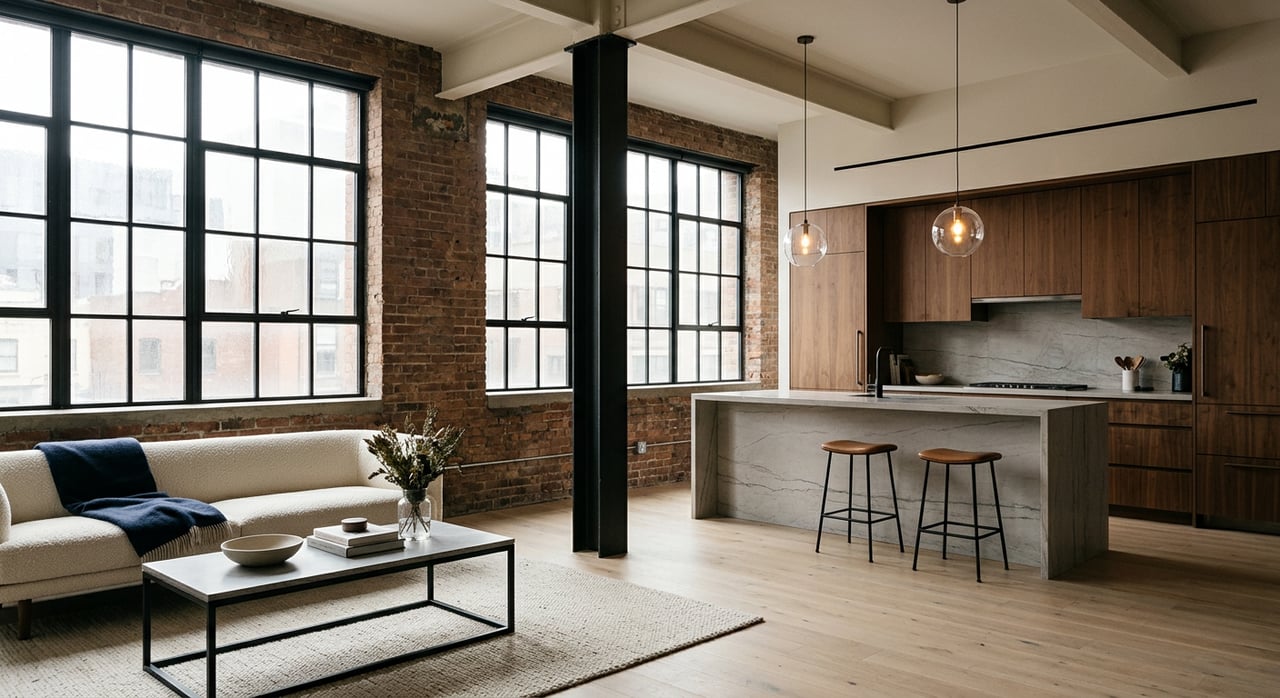
Sunlight pouring through factory-size windows. Exposed brick that tells a century of stories. A quiet, cobblestoned block with the Hudson at the end of the street. If that picture draws you in, you’re already halfway to understanding Tribeca loft living. You want space and style, but also a calmer downtown rhythm that works for real life. In this guide, you’ll learn what defines a Tribeca loft, how the neighborhood shapes daily life, key buying checks, and the market context that helps you purchase with confidence. Let’s dive in.

What defines a Tribeca loft

A quick timeline and neighborhood context

  • 19th century: Tribeca grew around Washington Market, with dense store-and-loft warehouses powering Lower Manhattan’s economy. You still see the cast-iron and brick bones on many blocks. Wikipedia’s overview of Tribeca gives the broad history.
  • 1970s–1980s: Artists and families began occupying old warehouses, and the loft lifestyle took shape.
  • 1991–1992: Multiple historic districts were designated, protecting much of the neighborhood’s industrial architecture. These rules still shape what can be altered and preserve the look buyers love. Learn more about the Tribeca historic districts.
  • 2002: The Tribeca Festival launched to help revitalize Lower Manhattan and remains a cultural anchor that nods to the area’s creative roots. Read the background on the Tribeca Festival’s origin and role.

The result is a neighborhood where authentic warehouse conversions sit alongside new luxury buildings, all set on streets that feel unmistakably downtown.

Hard vs. soft lofts in plain English

  • Hard lofts: Authentic warehouse conversions with original industrial bones. Expect cast-iron or heavy timber columns, original plank or concrete floors, high ceilings, and exposed elements. They deliver the true loft volume and character many buyers seek. See a concise overview of warehouse loft styles and features.
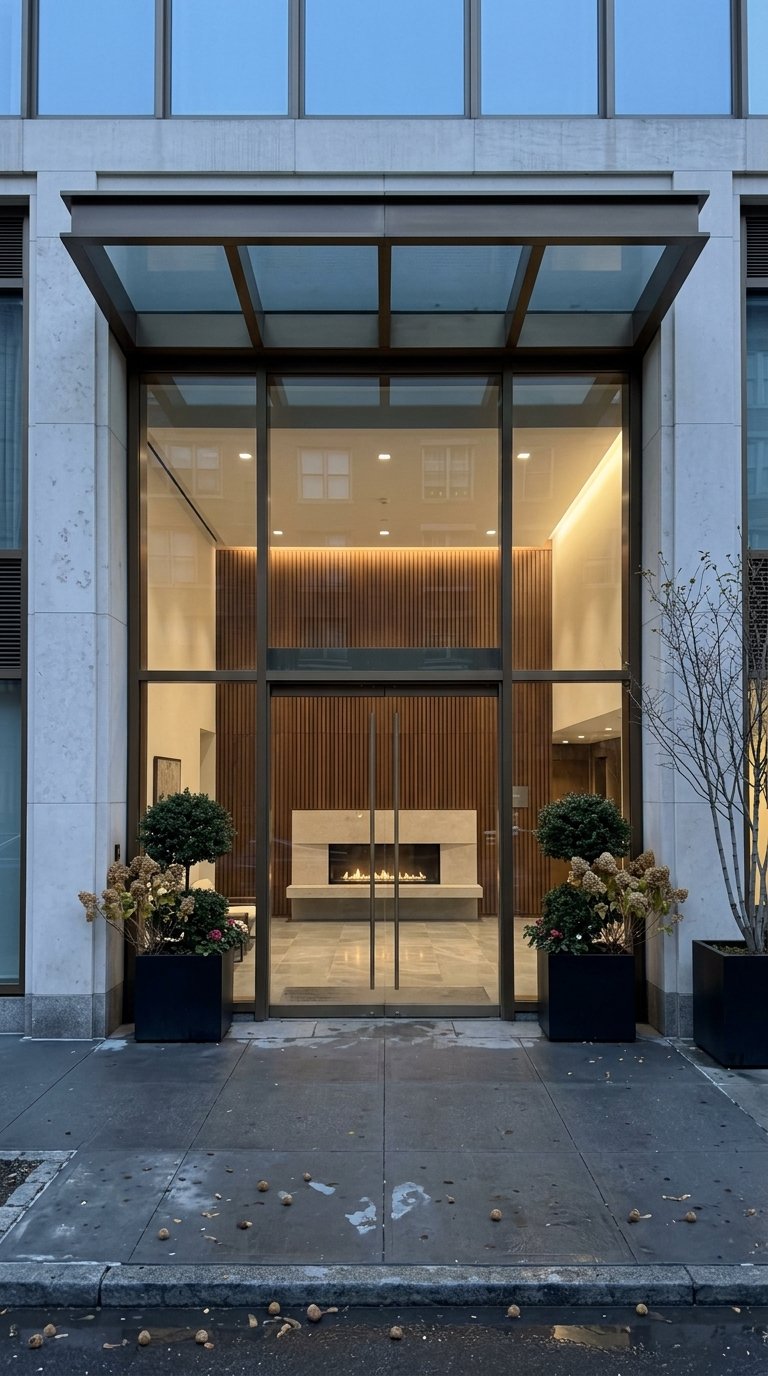
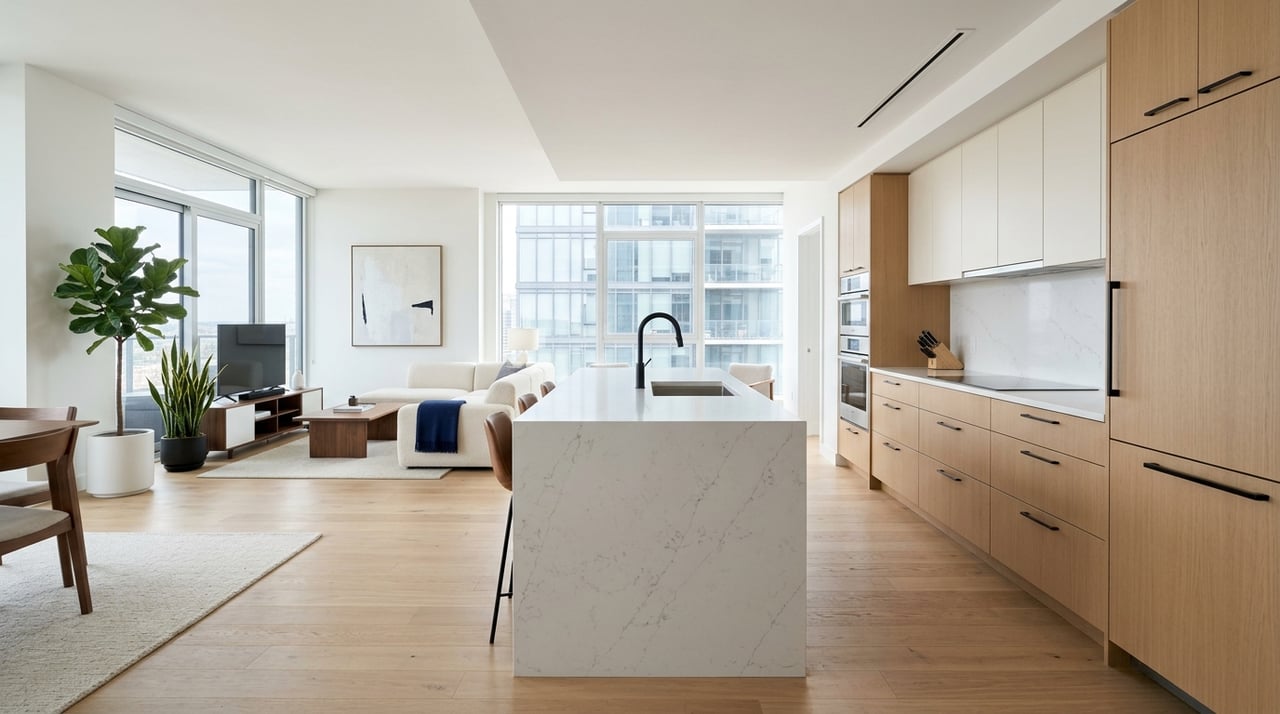
  • Soft lofts: Newer residential buildings designed with loft-like proportions. You’ll get open plans, larger windows, and higher ceilings than typical apartments, paired with modern systems and full-service amenities.
  • Timber lofts and hybrids: Variations that emphasize warm wood beams and finishes while preserving generous volume.

Both categories can be excellent. The key is matching authenticity, comfort, and lifestyle priorities to your goals.

Signature features you feel every day

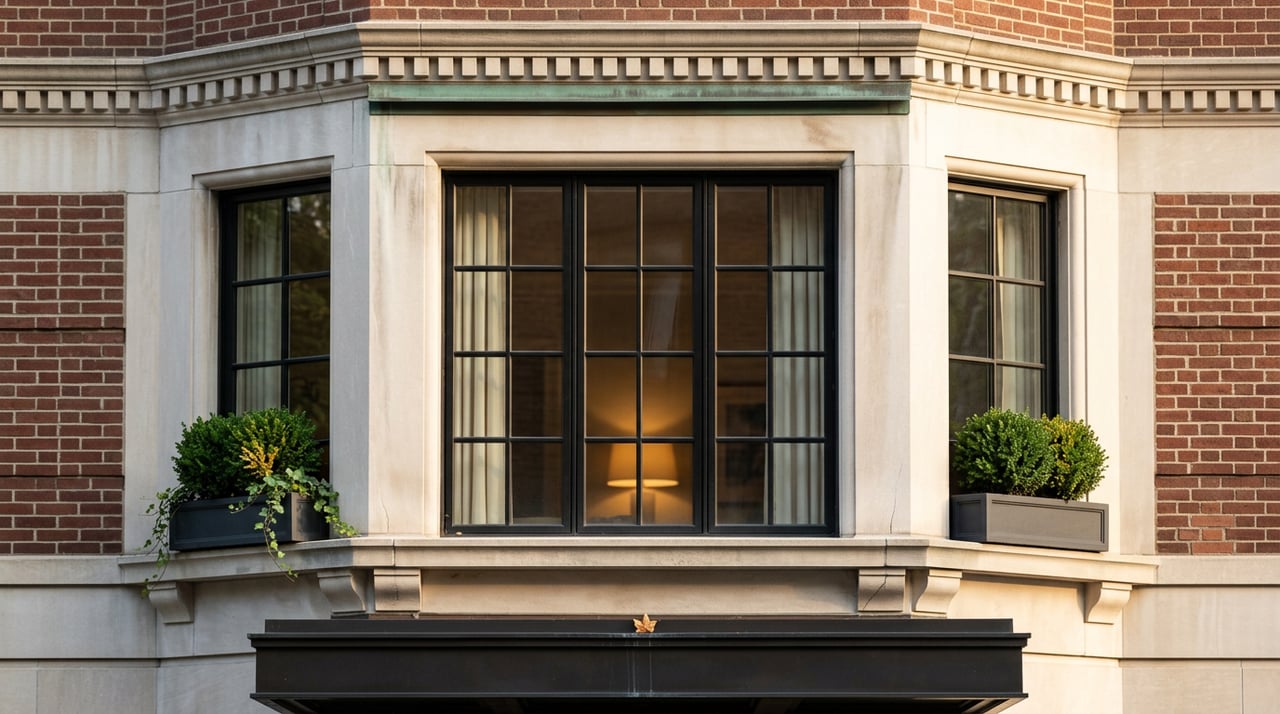
  • Soaring ceilings that create true volume and sightlines across open living, dining, and kitchen zones.
  • Oversized factory windows that welcome natural light.
  • Exposed brick and beams that add warmth and texture.
  • Flexible layouts that often trade standard bedrooms and closets for open space, occasional mezzanines, and irregular floor plans.

These ingredients define the Tribeca loft experience. They also drive many of the practical questions worth asking during your search.

Daily life on the loft blocks

Streetscape and downtown calm

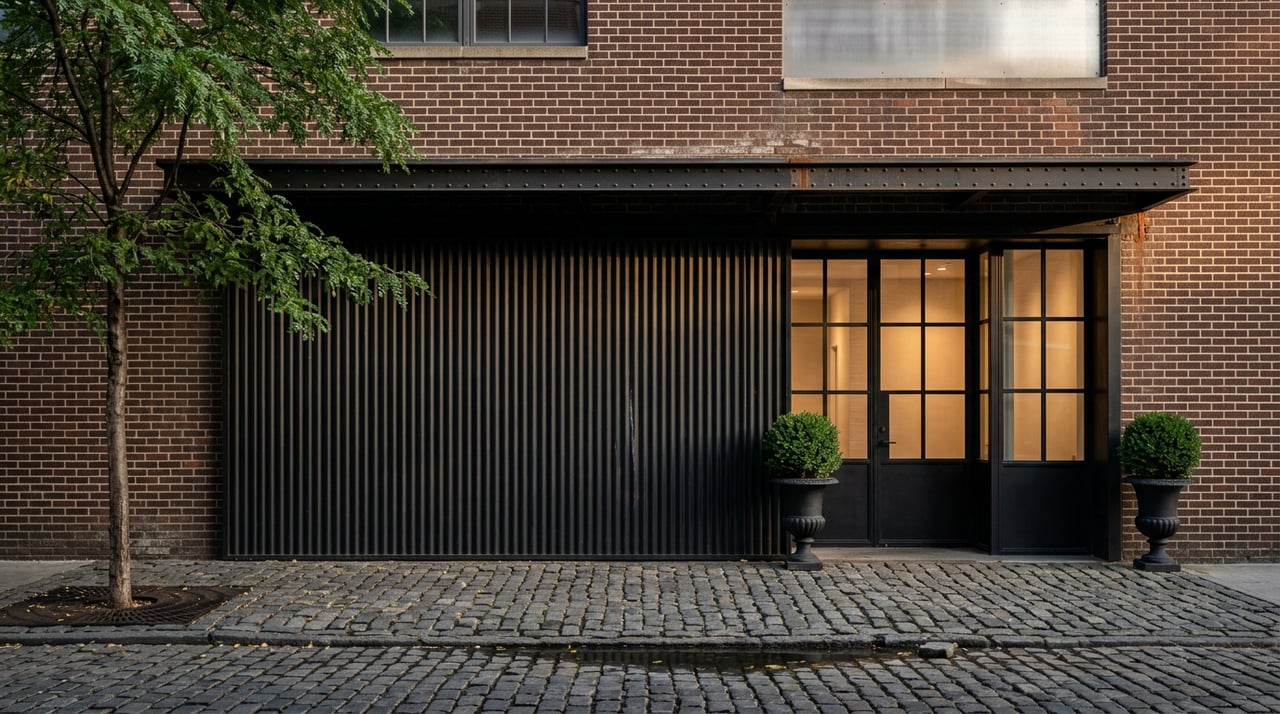
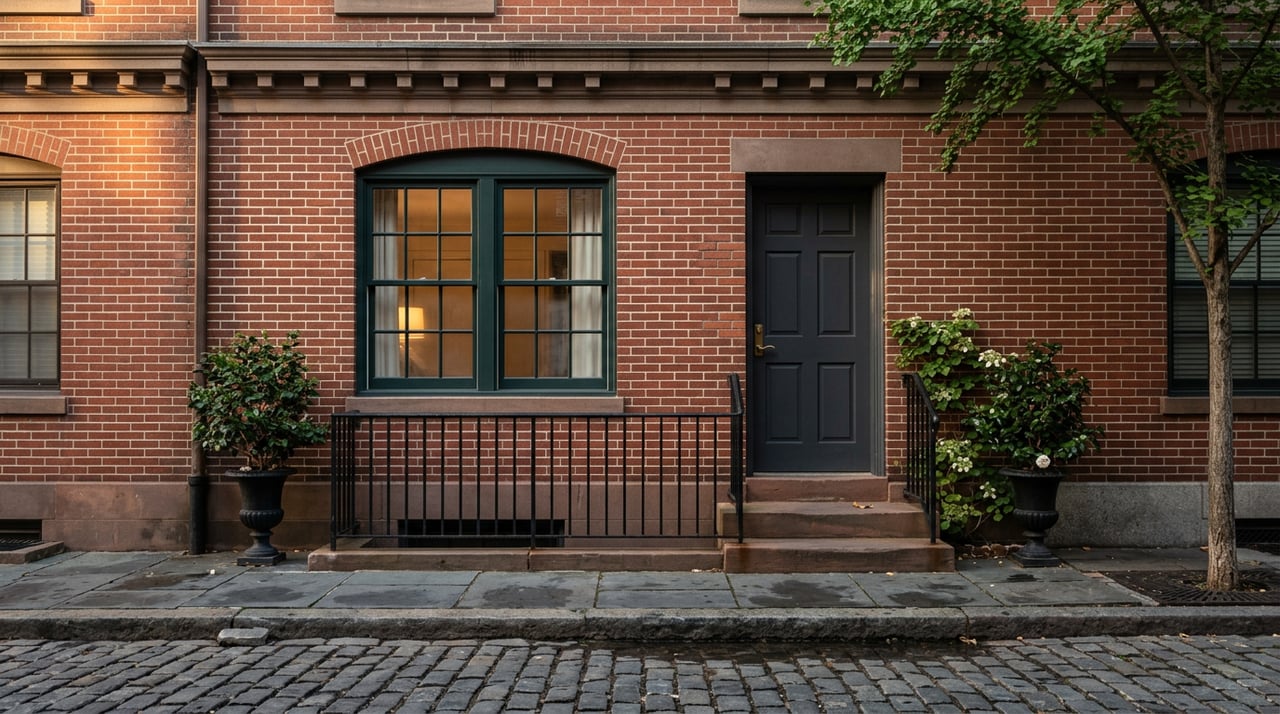
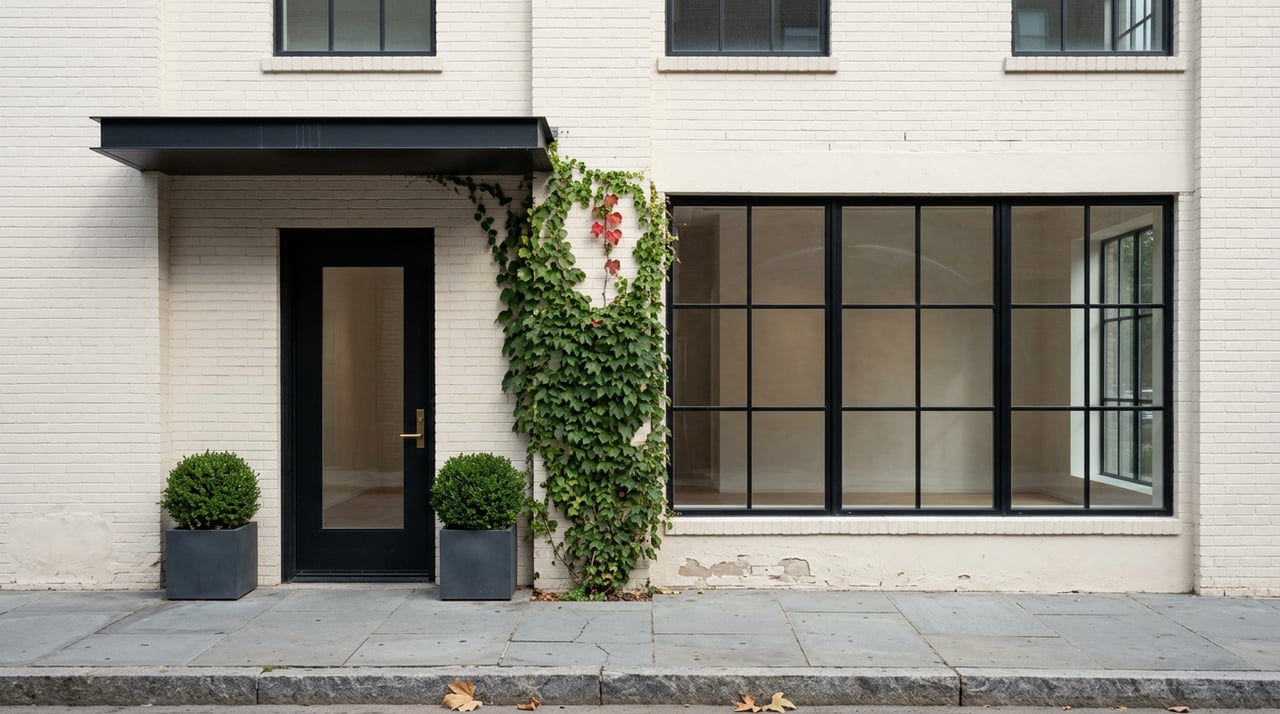
Tribeca’s blocks are smaller, many are cobblestoned, and building heights are modest by Manhattan standards. After business hours, side streets feel quieter than Midtown or more touristed areas of Lower Manhattan. Read more on the quiet allure of Tribeca’s streetscape. That sense of calm is a major part of the value for many buyers.

Waterfront and parks at your doorstep

Head west and you reach Hudson River Park’s Piers 25 and 26, where you’ll find play areas, mini-golf, sports courts, dog runs, sunset boardwalks, and the Hudson River Greenway for biking and running. The park’s variety is a daily asset and a short walk from most Tribeca blocks. Explore the Piers and Places in Hudson River Park.

Dining and culture, from brunch to premieres

Tribeca spans casual neighborhood staples and chef-driven dining. The neighborhood’s creative legacy remains visible during the Tribeca Festival each year, when screenings and events bring a festive pulse. For many residents, that mix of low-key daily life and seasonal cultural energy is the sweet spot. Learn about the Tribeca Festival’s cultural role.

Getting around Lower Manhattan

You have easy walking access to Canal, Chambers, Franklin Street, and the WTC area stations for Midtown and Financial District connections. Service patterns change, so check today’s MTA maps and schedules for exact lines and transfers. For context, see the Tribeca neighborhood overview.

Hard vs. soft lofts: tradeoffs and budget notes

Every loft buyer weighs authenticity, comfort, and cost differently. Here is a clear way to think about it:

  • Hard loft strengths

    • Authentic structure and materials that are difficult to replicate today.
    • Large volume and flexible layouts ideal for design-forward living.
    • Iconic details like cast-iron columns, original floors, and brick.
  • Hard loft considerations

    • Irregular window placement and columns can complicate furniture plans.
    • Older mechanicals and single-pane windows can raise energy or sound concerns.
    • Building-by-building quirks may impact renovation scope and cost.
  • Soft loft strengths

    • Modern systems, double-glazed windows, and efficient climate control.
    • Full-service amenities, doorman, fitness, and often dedicated resident services.
    • Predictable layouts that can simplify furnishing and resale.
  • Soft loft considerations

    • Less historic character than a true warehouse conversion.
    • Higher monthly common charges in amenity-heavy buildings.
    • Premium pricing for new construction and top-tier services.

Neither option is universally better. Your lifestyle, tolerance for renovation, and desire for original detail will guide the choice.

Buyer checklist for touring a Tribeca loft

Use this quick list to keep your visits focused on what matters most:

  • Ceiling height and columns
    • Confirm clear heights and where structural columns fall. Do they interrupt sightlines or future bedroom walls?
  • Windows and light
    • Note exposures, window operability, and glazing type. Natural light and sound control will affect your daily comfort.
  • Certificate of Occupancy and legalization
    • Verify a residential Certificate of Occupancy or Loft Board coverage if applicable. Open violations should be reviewed. Start with the NYC Loft Board resources.
  • Mechanical systems and insulation
  • Sound and privacy
    • Ask about building sound mitigation and party walls. Hard lofts can transmit more noise if not upgraded.
  • Storage and closets
    • Open plans can mean fewer closets. Confirm storage solutions, in-unit or in-building.
  • Home office and use
    • If you plan to work from home or run a business, confirm building rules and relevant laws. The Loft Board guidance is the city’s technical resource for covered lofts.

Market snapshot and building examples

Tribeca is widely viewed as one of Manhattan’s most expensive downtown neighborhoods, with a significant share of high-end loft conversions and ultra-luxury condos. Prices and price-per-square-foot often sit above Manhattan averages, particularly for large floorplates and trophy buildings. For broad neighborhood context, see CityRealty’s discussion of historic-district living and value dynamics in NYC’s marquee areas in this market-insight feature.

To picture the range of product types:

  • Authentic conversions: 443 Greenwich and other classic warehouse properties showcase the hard-loft ideal, often with family-scale floorplates and premium finishes behind preserved facades.
  • Ultra-luxury new builds: 70 Vestry represents purpose-built luxury with extraordinary finishes, service, and amenity programs at top-of-market pricing and celebrity-level privacy. See representative coverage of pricing and cachet in this Mansion Global piece.
  • Waterfront modernity: 450 Washington offers contemporary condo living with amenity-forward programming and immediate proximity to the park and piers. Explore the 450 Washington project.

Across these categories, many buyers are end-users who choose Tribeca for volume, design, and a calmer downtown lifestyle, with a meaningful share of all-cash or high-capacity purchasers at the top end. Check current listings and neighborhood reports at time of search for the latest pricing and days-on-market context.

Legalization and the Loft Board: what to know

Some loft buildings in New York have histories tied to interim multiple dwelling (IMD) status and the state’s Loft Law framework. Legal status affects financing, renovation permissions, and resale disclosures. If a unit’s history is unclear, confirm whether it has a residential Certificate of Occupancy or Loft Board coverage and whether any legalization milestones remain outstanding. The NYC Loft Board is the city agency that manages these processes and provides official guidance.

If you plan structural or significant interior work in a converted loft, legalization history and building rules will shape what you can do and how quickly. Your advisory team should review filings, violations, and plan approvals before you commit to a renovation budget.

Is Tribeca loft living right for you?

If you crave 12-foot ceilings, long sightlines, and character that modern apartments struggle to match, a Tribeca loft will likely feel right. The neighborhood’s calm side streets and direct access to the waterfront make daily life feel balanced. You can walk to dinner, step onto the Greenway for a run, and come home to a space that acts like a canvas.

The tradeoff is cost and complexity. Prices are high, and older conversions may require more due diligence around mechanicals, sound, and legalization. Newer soft-loft condos offer comfort and services, often at a premium, with less of the raw industrial aesthetic. With clear goals and the right guidance, you can choose the version of loft living that suits your lifestyle.

Ready to see how these options line up in real life? For a curated look at both listed and private Tribeca lofts, connect with Charlar Acar. Get Access To Our Private Listings.

FAQs

What is a “hard” Tribeca loft and why does it matter?

  • A hard loft is an authentic warehouse conversion with original industrial structure, high ceilings, large windows, and exposed elements. It delivers true volume and character, which can impact value, layout options, and renovation planning.

How does the NYC Loft Law affect a Tribeca loft purchase?

  • Legal status shapes financing, renovations, and disclosures. Confirm a residential Certificate of Occupancy or Loft Board coverage and review any open items. Start with the NYC Loft Board’s resources.

What daily lifestyle perks come with living near Piers 25 and 26?

  • You get waterfront recreation steps from home, including play areas, mini-golf, sports courts, dog runs, and the Hudson River Greenway for biking and running. See the park’s Piers and Places.

Is Tribeca really quieter than other downtown areas after hours?

  • Many side streets feel calmer thanks to cobblestones, smaller blocks, and preserved low-rise facades. For context on the area’s quieter character, read this feature on Tribeca’s streetscape.

Which subway stations are closest to most Tribeca lofts?

  • Common options include Canal Street, Chambers Street, Franklin Street, and the WTC area stations. Always confirm current lines and schedules on MTA maps. See the Tribeca overview for neighborhood context.

Are soft-loft condos a good alternative if I want less renovation risk?

  • Yes. Soft lofts offer higher ceilings and open plans with modern systems and full-service amenities. You trade some historic character for comfort, predictability, and often stronger in-building services.

Work With Charlar

For more than 6 years as an ABR, he has merited the trust of his clients and the respect of his colleagues in the real estate industry. He keeps confidences and represents each party with the highest level of service while bringing intelligence and skill to each transaction, large or small.