
May 28, 2026
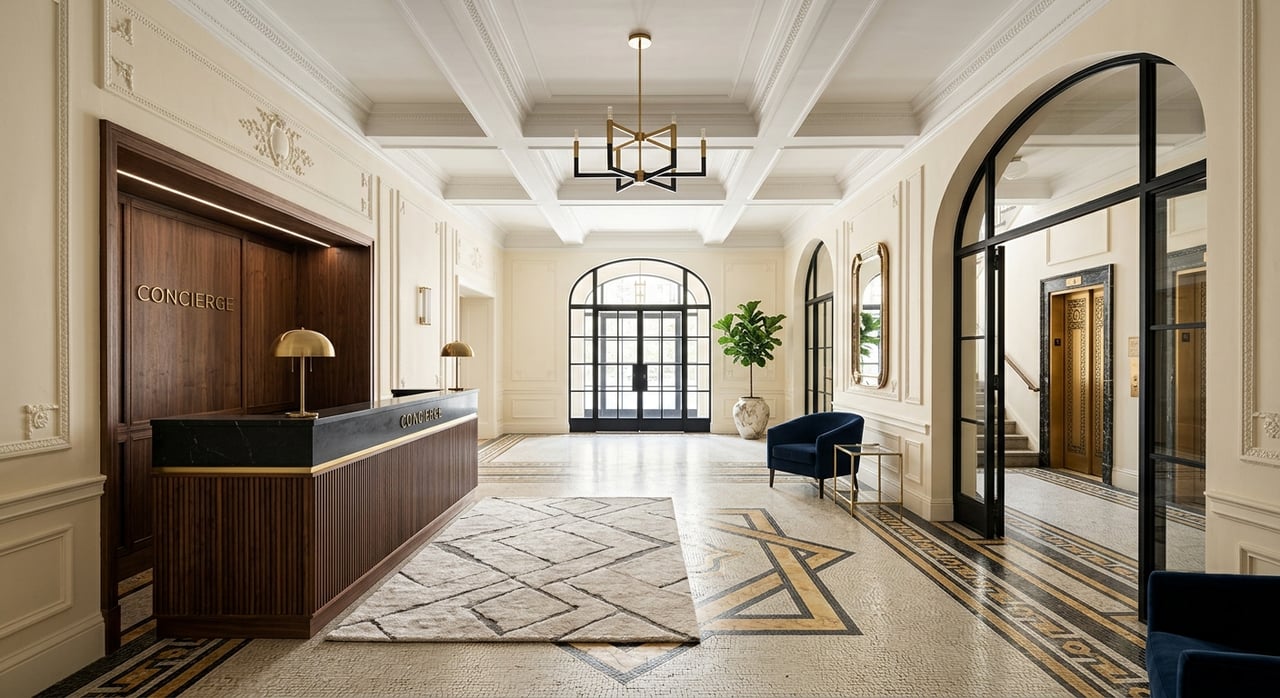
If you are deciding between a sleek new tower and a character-filled prewar condo in NoMad, the real question is not which one is better on paper. It is which type of value fits the way you want to live and hold property in one of Manhattan’s most closely watched neighborhoods. In NoMad, building type shapes everything from your monthly costs to your renovation flexibility, so a smart comparison starts with the details that matter most. Let’s dive in.
NoMad is a high-value Manhattan submarket where the building itself can matter as much as the address. Recent neighborhood trackers place pricing in the mid-$2 million range, with median price per square foot around $1,850 to $1,870, depending on the month and methodology.
The neighborhood is also changing in visible ways. The Flatiron NoMad Partnership maintains pedestrian spaces through cleaning, public safety, horticulture, and maintenance, and the Flatiron plazas see more than 50,000 people per day. On a broader planning level, the Midtown South Mixed-Use Plan was adopted on August 14, 2025 and is expected to create about 9,500 new homes, including 2,800 permanently affordable units, across 42 blocks.
That matters because your decision is not just about finishes or charm. It is also about future supply, street character, and how each building type may perform within a neighborhood that continues to evolve.
Prewar condos in NoMad are closely tied to the Madison Square North Historic District. According to the Landmarks Preservation Commission, this district reflects the area’s shift from affluent residential blocks to a busy commercial and business center, with notable buildings such as the Beaux-Arts Hotel Seville and the Neo-Renaissance Emmet Building.
For you as a buyer, the appeal is often immediate. Prewar condos can offer architectural detail, a more established streetscape, and a sense of permanence that newer product may not replicate.
There is also an important practical layer. If a building is landmarked or located within a historic district, the Landmarks Preservation Commission requires advance approval for alterations, reconstruction, demolition, or new construction affecting the designated building.
That does not make a prewar condo less attractive. It simply means you should go in with clear expectations about what changes are possible, how long approvals may take, and whether you want a home that comes with more architectural context and more constraints.
New-development condos in NoMad appeal to buyers who want a more modern building standard. In many cases, that means newer systems, contemporary layouts, and a more amenity-driven living experience.
This choice also sits within a larger neighborhood shift. The adopted Midtown South Mixed-Use Plan is designed to support 24/7 mixed-use neighborhoods and unlock significant new housing supply, which may increase future competition among newer buildings.
For some buyers, that is a plus. A larger pipeline can mean more choices, more modern inventory, and product aligned with current expectations for design and services.
For others, it is a point to underwrite carefully. If more new housing enters the broader market, the competitive position of any one new building may depend more on its address, tax structure, amenity package, and management quality.
In NoMad, comparing monthly costs is not as simple as putting one common charge next to another. For NYC condos, tax class matters, and condo buildings that are four stories or higher are generally Class 2. The 2026 Class 2 tax rate is 12.439%.
There is also the co-op and condo property tax abatement to consider. This benefit is available only for primary residences, must be filed by the board or managing agent, and certain developments must submit a prevailing wage affidavit to remain eligible. The benefit ranges from 28.1% to 17.5% depending on average assessed value.
This is one reason buyers should underwrite the full post-closing expense picture, not just the initial monthly number shown in a listing. That is especially important in new development, where a temporary tax incentive can reduce early carrying costs but later step down or expire.
Some NoMad new developments may qualify for 485-x if they meet the program requirements. According to HPD, 485-x applies to qualifying multiple dwellings or homeownership projects with six or more units that commenced after June 15, 2022 and are completed by June 15, 2038.
Some projects may also still involve 421-a, but only if they meet separate timing and affordability rules. The key point for you is simple: never assume a benefit applies just because a building is newer.
You should verify:
The New York Attorney General’s condominium regulations require offering plans to explain how common charges and assessments are set, how reserves for capital expenditures work, and how tax benefits may step down over time.
That makes the offering plan more than a legal document. It is a practical guide to how the building expects to operate and what financial obligations may shift after you close.
This applies to both new and prewar condos. In either case, you should ask what the monthly budget covers, whether reserves appear adequate, and what capital work may be coming.
The cleanest way to compare NoMad new development versus prewar condos is to ask what kind of scarcity you value more. Prewar condos offer architectural provenance, a more protected historic setting, and a supply profile that is harder to replicate.
New development offers a newer product standard and often a stronger amenity package. In a market that continues to add housing and refine its mixed-use identity, that can be very appealing if your priority is ease, convenience, and modern infrastructure.
Neither option is automatically superior. In NoMad, the better choice is usually building-specific and depends on the tax schedule, reserve strength, capital plan, and how the home fits your long-term goals.
Before you move forward on any condo, ask a few direct questions that can quickly clarify the opportunity.
These questions can help you compare two apartments that may look equally attractive online but perform very differently once you account for costs, rules, and future flexibility.
If you are drawn to texture, historic context, and a streetscape that feels hard to reproduce, a prewar condo may be the stronger fit. If you want newer systems, a more lock-and-leave lifestyle, and an amenity-driven experience, new development may align better.
In either case, the smartest move is to evaluate the building, not just the unit. In NoMad, a polished showing can never replace careful review of the tax structure, financial setup, and long-term operating picture.
That is where experienced, address-specific guidance can make a meaningful difference. If you want discreet help comparing NoMad condos, evaluating building-level details, or accessing private opportunities, connect with Charlar Acar.
Stay up to date on the latest real estate trends.
September 17, 2026

Lifestyle
Charlar Acar | September 10, 2026

September 3, 2026

Luxury Real Estate
Charlar Acar | August 27, 2026

August 27, 2026

Lifestyle
Charlar Acar | August 13, 2026
August 13, 2026

August 6, 2026
Lifestyle
Charlar Acar | July 23, 2026
For more than 6 years as an ABR, he has merited the trust of his clients and the respect of his colleagues in the real estate industry. He keeps confidences and represents each party with the highest level of service while bringing intelligence and skill to each transaction, large or small.