
Charlar Acar | June 4, 2026
Lifestyle
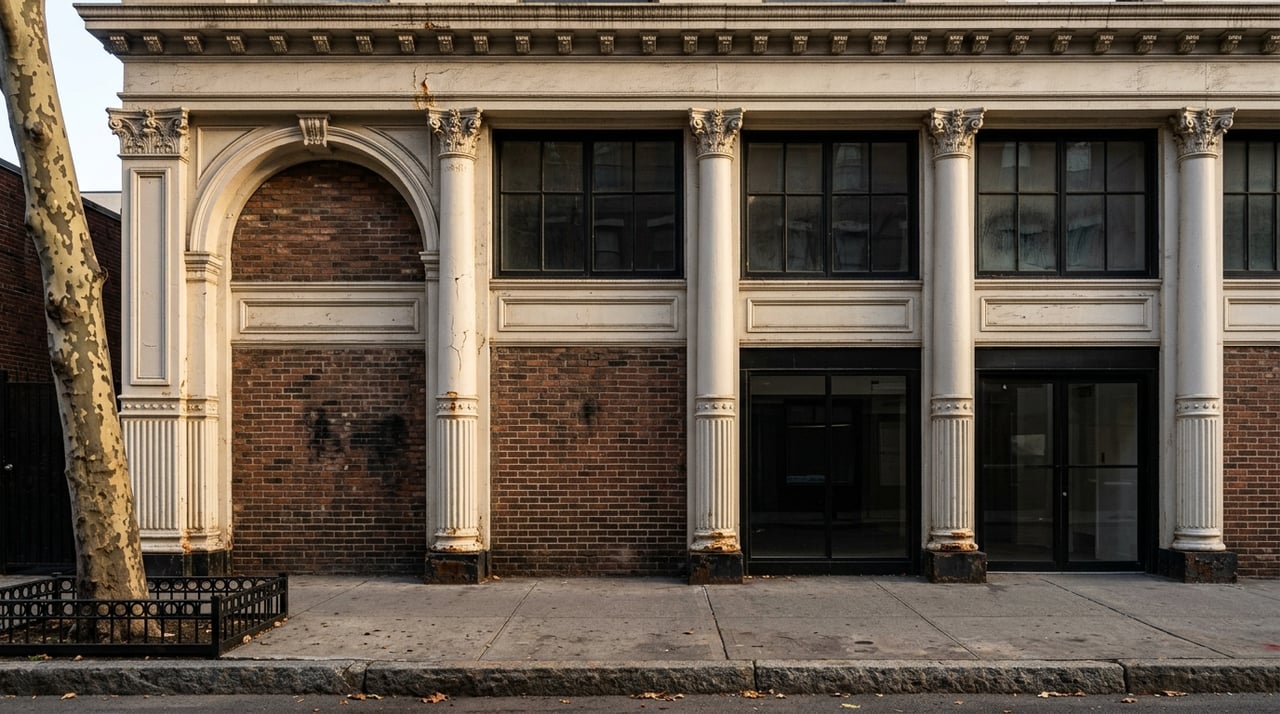
Picture this: you walk into a SoHo loft and the first thing you notice is the volume. High ceilings, oversized windows, exposed columns, and a floor plan that feels nothing like a standard Manhattan apartment. If you are thinking about buying a loft in one of SoHo’s historic cast-iron buildings, you are likely drawn to that character, but you also need to understand the rules, risks, and details that come with it. This guide will help you evaluate what makes these properties special, what due diligence matters most, and how to buy with more confidence. Let’s dive in.
SoHo’s classic loft buildings were largely built after the Civil War as store-and-loft buildings for wholesale dry-goods merchants and manufacturing firms. Over time, many of these spaces were reused by artists in the 1960s as studios, galleries, and living quarters, which helped shape SoHo into the creative district many buyers recognize today. The original SoHo-Cast Iron Historic District was designated in 1973 and later expanded in 2010.
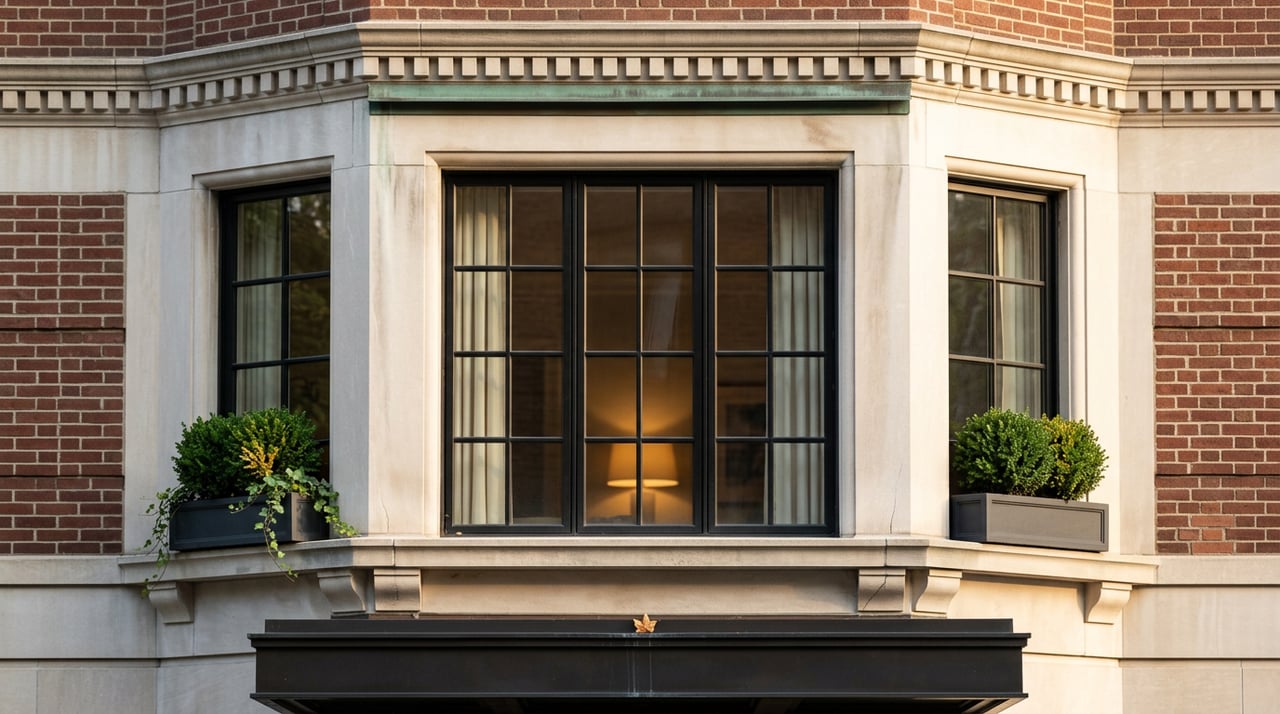
That history still shows up in the architecture. The Department of City Planning describes the SoHo Historic Core as a dense collection of 5- to 7-story loft buildings on narrow lots, typically built directly at the sidewalk with no setbacks. Many feature cast-iron or masonry facades, tall ground floors, multiple windows on each level, and ornamental cornices.
For you as a buyer, that often translates into a very specific living experience. These lofts can offer dramatic scale, excellent natural light in the right layout, and flexible interior space. At the same time, deeper floorplates, column placement, and window rhythm can affect how the home actually lives day to day.
A SoHo loft may look impressive on paper, but the feel of the space depends on more than size alone. Many buyers focus first on square footage, yet in historic lofts, ceiling height, unit depth, and window placement can be just as important. A large loft with limited perimeter windows can feel very different from a slightly smaller loft with better light distribution.
You will want to pay close attention to how daylight reaches the interior, where structural columns sit, and how easily you can create distinct zones for sleeping, dining, working, or entertaining. Furniture planning can also be less straightforward in a true loft than in a more conventional apartment. The most successful purchases usually come from understanding how the space functions, not just how it photographs.
Not every SoHo loft offers the same form or scale. Buyers who want the most classic loft feel often focus on the historic core, where buildings tend to be 5 to 7 stories and sit on narrower lots with no setbacks. That setting often aligns with the cast-iron streetscape many people picture when they think of SoHo.
The Broadway corridor can feel different. City Planning notes that buildings there tend to have the largest floorplates in SoHo and NoHo and are generally taller and bulkier than those in the historic core. If you are open to a larger footprint, that may expand your options, but it can also change the balance of light, volume, and floor plan efficiency.
One of the biggest differences between buying in SoHo and buying elsewhere in Manhattan is the role of landmark regulation. The Landmarks Preservation Commission says landmark status means the Commission must approve in advance any alteration, reconstruction, demolition, or new construction affecting a designated building. In practical terms, that can affect both your renovation plans and the building’s long-term maintenance process.
Some ordinary exterior repairs do not require a permit, such as replacing broken window glass or removing small amounts of painted graffiti. But most exterior changes to front and rear facades do require approval. Interior work may also need LPC review if it requires a Department of Buildings permit, affects the exterior, or involves an interior landmark.
This matters because the exterior character of a cast-iron loft building is not just aesthetic. It is part of what gives SoHo its distinct identity, and it is also part of what can make ownership more complex. If you are considering updates to windows, roof elements, facade openings, or a storefront in a mixed-use building, timing and approvals become a serious part of the equation.
The regulatory process is the same for buildings inside historic districts and for individual landmarks, and landmark designation becomes effective upon the Commission’s vote. Before you get deep into a purchase, it is important to confirm whether the building is landmarked or located within a historic district. You should also review whether prior exterior alterations appear to have received LPC approval.
This is one of the clearest examples of why SoHo due diligence should happen early, not after a deal is already emotionally decided. A loft may be beautiful as-is, but if your purchase decision depends on future changes, those plans need to be realistic from the start.
In SoHo, a loft’s legal use can be just as important as its design. Historically, SoHo and NoHo were in manufacturing districts that did not allow housing but did permit Joint Living-Work Quarters for Artists, often called JLWQA. That history is still relevant today because some lofts are standard residential units, some may still be JLWQA, and others may involve separate Loft Law considerations.
This is not a minor technical detail. It affects occupancy, conversion potential, and how a unit should be evaluated before closing. If a listing describes a loft as live-work, artist loft, or JLWQA, you should treat that as a prompt for deeper review.
The city approved the SoHo/NoHo Neighborhood Plan on Dec. 15, 2021, creating the Special SoHo-NoHo Mixed Use District and replacing the old zoning designations in the affected area. Under current zoning rules, conversions to JLWQA use are no longer permitted after that date. Existing JLWQA can continue, but converting JLWQA to residential requires City Planning certification and a nonrefundable SoHo-NoHo Arts Fund contribution of $100 per square foot of converted floor area, adjusted annually.
The Department of Cultural Affairs also states that working-artist certification remains necessary for an individual to qualify for joint living-work space in the relevant districts. For buyers, the takeaway is simple: never assume a loft is standard residential just because it is marketed that way conversationally. Confirm the legal occupancy and conversion status directly during due diligence.
Certain SoHo properties may also be Interim Multiple Dwellings under the Loft Law. The Department of Buildings explains that the NYC Loft Board regulates the legal conversion of certain commercial or manufacturing lofts to residential use, and the Loft Law creates a separate framework for legalization.
If a building is an IMD or has a history tied to Loft Law compliance, that should be reviewed carefully as part of the purchase process. It is a different layer of analysis from standard condo or co-op review, and it can affect how you understand the unit’s legal status and future work.
Historic loft buyers often focus heavily on purchase price, but carrying costs deserve equal attention. For many SoHo loft condos and co-ops, the relevant property tax class is Class 2. NYC Finance says the Class 2 tax rate for tax year 2026 is 12.439%.
It is also important to understand that the Department of Finance values residential co-ops and condos like rental apartment buildings, using income and expense statements from comparable rental buildings. For class 2 properties with more than 10 units, assessed-value changes are phased in over five years. That means tax outcomes can be less intuitive than many buyers expect if they are new to Manhattan ownership.
If the loft will be your primary residence, you should also ask whether the building participates in the co-op or condo tax abatement process. Eligible owners may benefit, but the board or managing agent files on behalf of the building, and individual owners do not apply directly.
Owning in a landmarked cast-iron building often means preservation-related work needs more planning than it would in a non-landmarked property. LPC states that landmarked buildings must be kept in a state of good repair, and owners are responsible for obtaining prior approval before starting work and complying with permit conditions.
That can affect facade work, windows, storefront elements, roof conditions, cornices, and other exterior components. Even if you are buying a single apartment rather than an entire building interest, those obligations can influence the building’s capital needs, reserve planning, and project timelines. In a co-op or condo, that becomes part of the larger ownership picture you should evaluate before closing.
A careful SoHo loft buyer should verify:
These questions are not meant to make the process feel intimidating. They are what help turn a visually compelling loft into a sound, well-understood purchase.
SoHo’s long-term appeal is not hard to understand once you walk the neighborhood. The Landmarks Preservation Commission describes historic districts as areas with a distinct sense of place and coherent streetscape. Its SoHo designation report also notes that the area retains the essence of its early industrial history while remaining a popular residential and shopping destination.
That combination matters. The neighborhood’s historic building stock is finite, and the preservation framework is intended to enhance historic character and neighborhood context over time. For buyers who value architecture, volume, and a recognizable Manhattan streetscape, authentic cast-iron lofts continue to stand apart.
Still, the best purchases in SoHo usually happen when emotion and discipline work together. You want the romance of the loft, but you also want clarity on legal use, approval pathways, maintenance exposure, and carrying costs. When you understand both sides, you are in a much stronger position to buy well.
If you are considering a SoHo loft and want discreet guidance on building-level due diligence, board navigation, financing support, and access to curated on- and off-market opportunities, Charlar Acar can help you move with clarity and confidence.
Stay up to date on the latest real estate trends.

Lifestyle
Charlar Acar | September 10, 2026

September 3, 2026

Luxury Real Estate
Charlar Acar | August 27, 2026

August 27, 2026
Lifestyle
Charlar Acar | August 13, 2026
August 13, 2026
August 6, 2026
Lifestyle
Charlar Acar | July 23, 2026
Lifestyle
Charlar Acar | July 16, 2026
For more than 6 years as an ABR, he has merited the trust of his clients and the respect of his colleagues in the real estate industry. He keeps confidences and represents each party with the highest level of service while bringing intelligence and skill to each transaction, large or small.