
Charlar Acar | July 9, 2026
Lifestyle
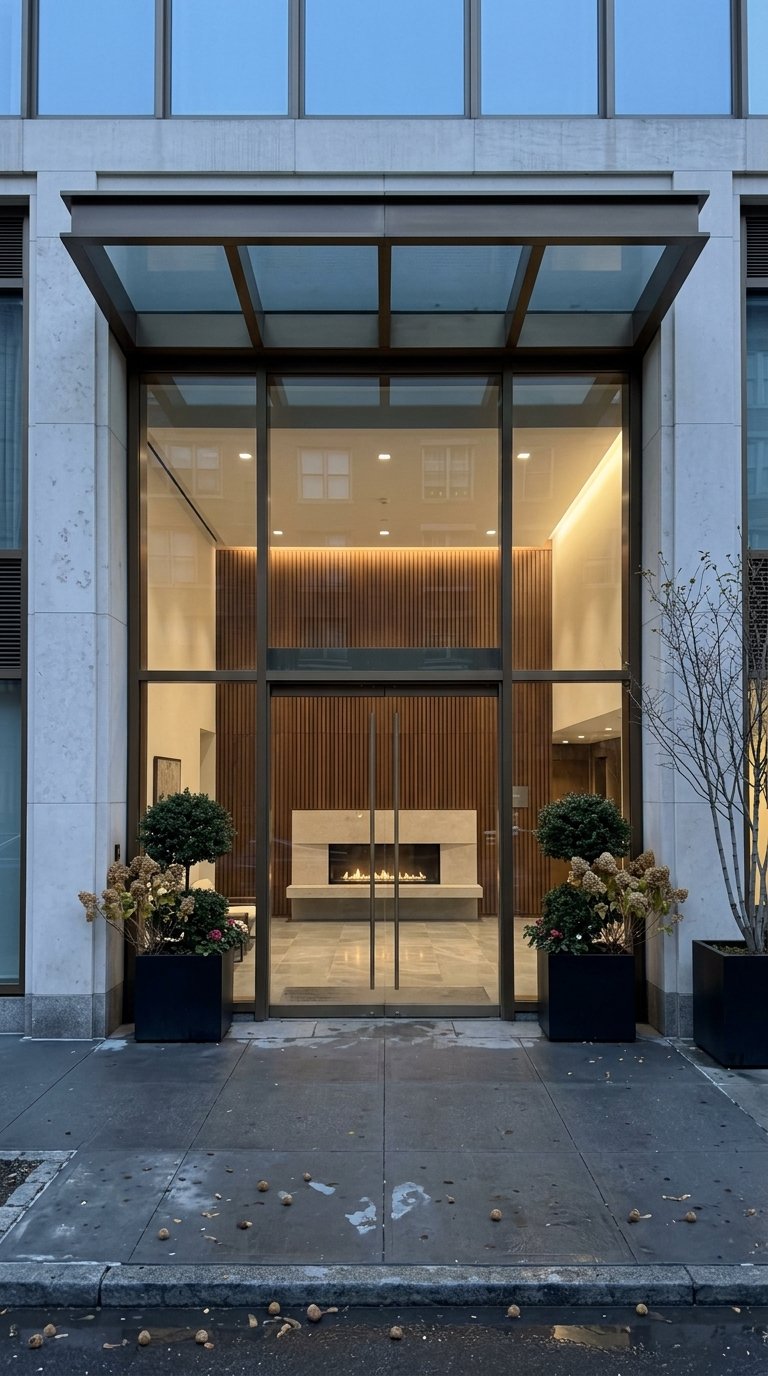
If you want Manhattan convenience at the highest level, Midtown luxury condo ownership is hard to ignore. You get direct access to major transit, cultural landmarks, dining, retail, and full-service residential buildings, but you also take on the pace and intensity that come with living in one of the city’s busiest districts. If you are weighing whether Midtown fits your lifestyle and priorities, this guide will help you understand the tradeoffs, costs, and day-to-day realities. Let’s dive in.
Midtown offers a version of luxury ownership built around access. Residential towers sit near office corridors, theaters, museums, major retail streets, and some of the city’s most important transportation hubs. For many buyers, that centrality is the main draw.
The neighborhood is also highly varied block by block. Areas near Times Square, the Theater District, Grand Central, Penn Station, Bryant Park, and MoMA can feel very different from one another, even within the same broader Midtown label. That means your building choice matters just as much as your address.
Midtown is active for much of the day and well into the evening. The area includes major destinations tied to Broadway, Times Square, museums, shopping, and business travel, so street activity is simply part of the experience.
That energy can be a real advantage if you like having the city at your doorstep. Bryant Park provides a major open-space amenity in the area, while MoMA and the Theater District add cultural access that few neighborhoods can match. If you want a quieter residential rhythm, though, the specific block and building become especially important.
Living in Midtown usually means more pedestrian traffic, more deliveries, and more late-night brightness than you would find in many lower-density residential areas. This is especially true near Times Square, the Theater District, Grand Central, Penn Station, and the Port Authority Bus Terminal.
For some buyers, that is a feature, not a drawback. If you travel often, entertain frequently, or prefer being close to work and regional transit, Midtown can feel exceptionally efficient.
Midtown’s transit access is one of its strongest ownership advantages. Grand Central Madison runs along Madison Avenue from 43rd to 48th Streets, and Moynihan Train Hall sits across from Penn Station on Eighth Avenue between West 31st and West 33rd Streets. The Port Authority Bus Terminal is at West 41st Street and Eighth Avenue.
In practical terms, that means you can handle much of daily life on foot or by train, subway, or bus. For buyers who split time between cities, commute regionally, or travel often, this level of connectivity can shape the entire ownership decision.
In New York City, a condo is direct ownership of real property. You own your individual unit and an undivided interest in the building’s common areas. That is different from a co-op structure, where you own shares in a corporation rather than the apartment itself.
This distinction matters because it affects both budgeting and decision-making. As a condo owner, you are generally responsible for your own real estate taxes as well as your share of common charges.
When you own a luxury condo in Midtown, your monthly and annual costs often include:
Some primary-residence condo units may also qualify for New York City’s co-op/condo property tax abatement. In those cases, the building’s board or managing agent applies on behalf of eligible units, rather than the individual owner applying directly.
One reason many buyers choose a Midtown condo over other ownership types is the service model. In this part of Manhattan, luxury buildings often go beyond a standard doorman and elevator setup.
Examples from established Midtown luxury properties show how broad the amenity range can be. Features may include pools, spas, fitness centers, resident lounges, screening or performance rooms, private dining or conference spaces, and concierge-style support.
Not every luxury condo delivers the same experience. Some buildings focus on wellness and entertaining, while others emphasize privacy, staffing, or hotel-style convenience.
That is why buyers should evaluate more than finishes and views. You will also want to understand how the building handles package delivery, guest arrival, amenity access, resident services, and the overall rhythm of the property.
The broader Manhattan market has shown resilient demand at the upper end. Recent market reporting showed active inventory at one of the lowest second-quarter levels in eight years, while median and average sale prices both rose year over year. Contracts above $2 million also increased, which points to continued strength in luxury demand.
At the same time, Midtown does not always move in lockstep with the rest of Manhattan. In an April 2026 snapshot, Midtown posted the sharpest year-over-year contract decline among submarkets, which suggests buyers here may be especially selective and pricing-sensitive.
In Midtown, one condo tower may compete with several very different alternatives within a short distance. Buyers often compare service levels, views, layout efficiency, carrying costs, and street conditions very closely.
That means pricing strategy matters, but so does building positioning. A well-priced, move-in-ready residence in the right building can still stand out, even in a submarket where buyers are taking their time.
Often, no. Midtown is one of the most transit-rich areas in the city, and many owners can comfortably manage daily life without driving.
If you do keep a car, it should be a deliberate choice. The Congestion Relief Zone includes Manhattan south of and including 60th Street, with specific exclusions noted by the MTA, and Midtown Core meter rates can reach as high as $13 per hour according to NYC DOT. That makes both driving and street parking part of the ownership cost equation.
Midtown is not a static market. Buyers today will encounter supertall new development, branded residences, mixed-use properties, and an increasing number of conversion-driven projects.
That evolution may continue. In Midtown South, the City Council approved a mixed-use plan in August 2025 expected to create more than 9,500 new homes across 42 blocks, including more than 2,800 permanently affordable units, while the city and state also advanced an office-to-housing conversion at 5 Times Square that could create up to 1,250 homes.
Over the long term, added housing and more mixed-use development may gradually shift the feel of selected Midtown blocks. More residential presence can change how certain areas function throughout the day and evening.
For a buyer, this reinforces the value of looking not just at what a block is today, but also at what is in the pipeline nearby.
Midtown luxury condo ownership tends to work best for buyers who prioritize convenience, service, and central access. That often includes full-time urban professionals, frequent travelers, downsizers, and pied-à-terre buyers.
If your ideal home life centers on quiet low-rise streets, Midtown may feel too intense in some locations. If your priority is fast access to trains, culture, dining, and full-service living, Midtown can be a strong fit.
A smart search starts with your real daily routine, not just the building’s marketing. In Midtown, luxury value often comes from the balance between location, service level, carrying costs, and how the street feels when you actually live there.
As you compare options, focus on a few core questions:
For many luxury buyers, these answers shape the right decision more than square footage alone.
If you are considering a Midtown condo, the real opportunity is not just finding a beautiful apartment. It is choosing a building and location that support how you want to live, travel, and own in Manhattan over time. For discreet guidance, curated opportunities, and experienced support from search through closing, connect with Charlar Acar.
Stay up to date on the latest real estate trends.
October 15, 2026

Market Update
Charlar Acar | October 10, 2026
Supply Is Still Tight. Buyers Are Discerning. Luxury Continues To Outperform
October 8, 2026
October 1, 2026

Market Update
Charlar Acar | September 25, 2026

Homebuyers
Charlar Acar | September 25, 2026
September 24, 2026
September 17, 2026

Lifestyle
Charlar Acar | September 10, 2026
For more than 6 years as an ABR, he has merited the trust of his clients and the respect of his colleagues in the real estate industry. He keeps confidences and represents each party with the highest level of service while bringing intelligence and skill to each transaction, large or small.