
Charlar Acar | June 18, 2026
Lifestyle
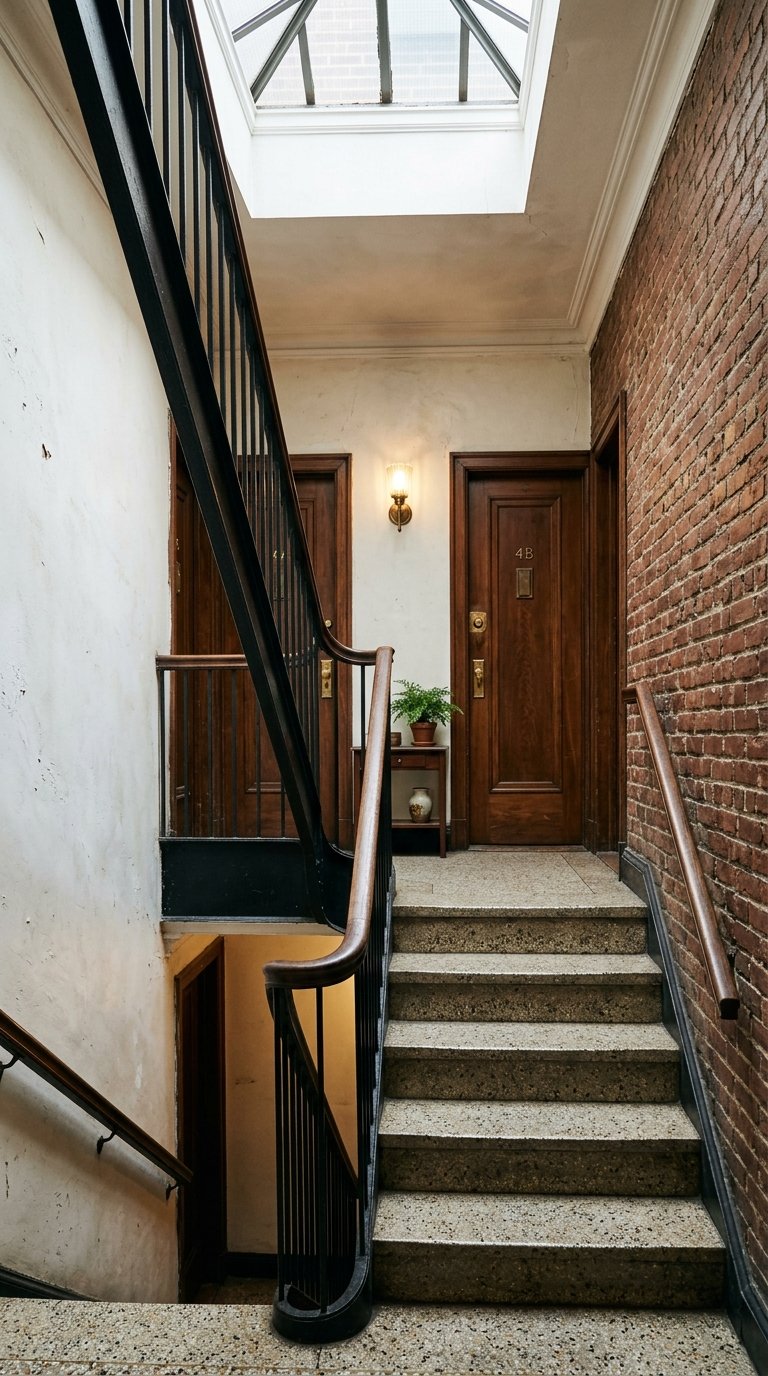
If you want downtown Manhattan energy without the scale of a high-rise district, Nolita stands out fast. Its short blocks, low-rise buildings, and design-driven street life create a setting that feels curated, active, and distinctly local. For buyers considering this pocket of Lower Manhattan, understanding how Nolita lives day to day can help you decide whether its boutique feel matches your priorities. Let’s dive in.
Nolita is a compact neighborhood generally bounded by Lafayette Street and the Bowery, and Broome and East Houston Streets. That small footprint is part of its appeal because it gives the area a clear identity and an intimate scale.
The neighborhood also sits in a very specific part of downtown Manhattan’s map. City land-use analysis places Nolita east of the SoHo and NoHo study area and north of Little Italy, while the Landmarks Preservation Commission notes that the northern part of historic Little Italy is now called Nolita.
That distinction matters when you are choosing where to live. Little Italy’s core remains centered on Mulberry Street and Grand Street, where the area continues to serve as a tourism and dining destination, while Nolita reads more as a residential pocket with active street life woven into everyday living.
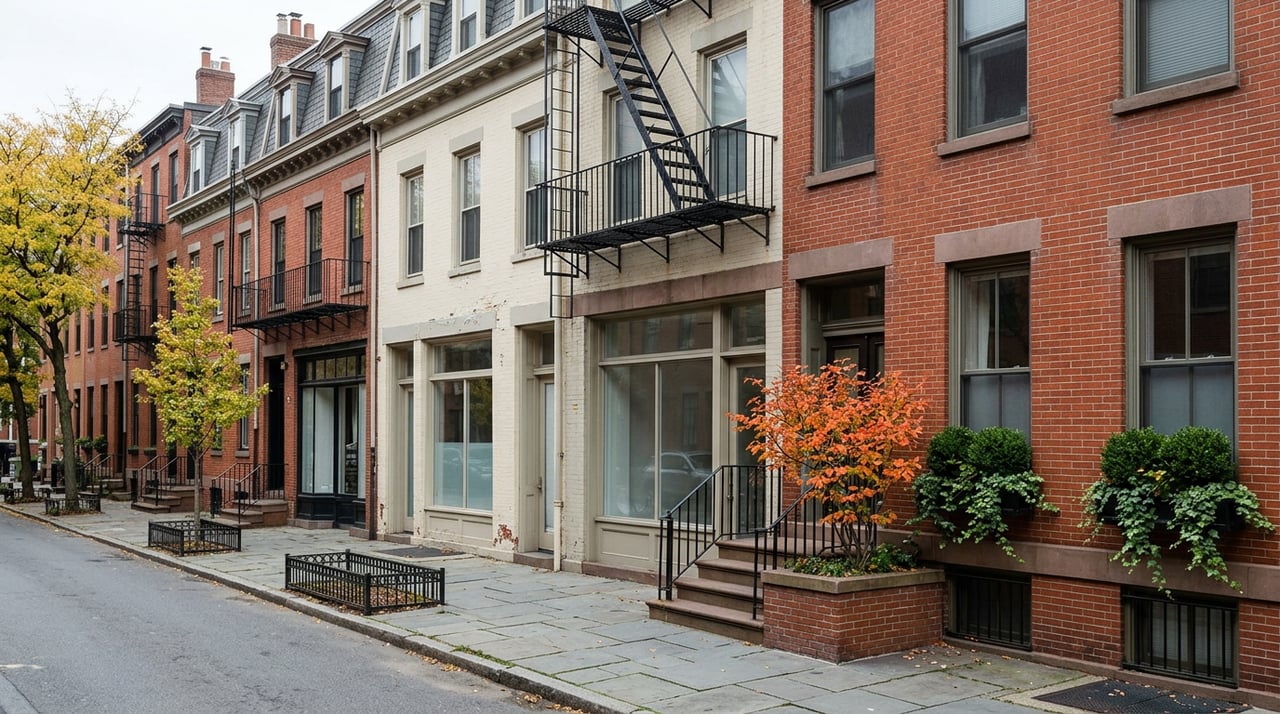
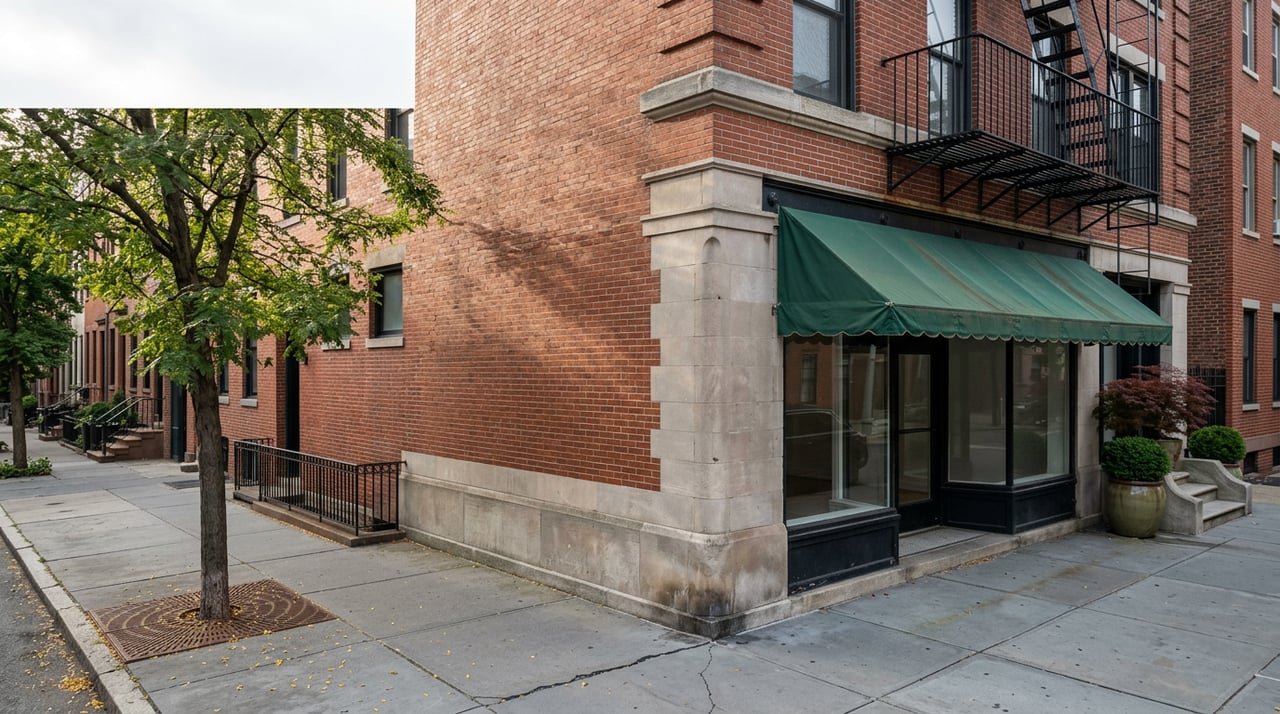
One of Nolita’s defining traits is its mixed-use layout. The city describes the neighborhood as overwhelmingly made up of four- to six-story residential buildings with ground-floor retail that includes boutiques, restaurants, and cafés.
That means daily life happens right outside your door. In Nolita, errands, coffee stops, meals, and small retail experiences are part of the same streetscape as the homes above them, which helps create a neighborhood that feels both convenient and visually layered.
For many buyers, that blend is the point. You are not choosing a district where residential life is separated from the street. You are choosing a place where the street itself helps define the lifestyle.
Nolita’s appeal is often tied to design, but not in the usual amenity-building sense. Here, the visual interest comes from proportion, storefront rhythm, low-rise architecture, and the texture of older downtown blocks.
The city’s land-use profile points to a building pattern that is smaller in scale than tower-heavy parts of Manhattan. That allows you to experience downtown living in a way that feels more architectural and less driven by full-service building packages.
For a design-conscious buyer, that can be a major advantage. The building itself often plays a larger role in the lifestyle story, whether through scale, layout, or how the residence connects to the street and neighborhood around it.
Housing in Nolita is shaped by the neighborhood’s low-rise form. Based on the city’s building pattern, buyers will often encounter homes in four- to six-story mixed-use buildings, with retail at street level and residences above.
In practical terms, that usually creates a boutique feel. Walk-up buildings are common in this kind of streetscape, and the overall housing experience tends to feel more intimate than what you would find in larger luxury developments.
That does not mean every property is the same. The stronger takeaway is that Nolita is best understood as small-scale downtown living, where building character and neighborhood context often matter as much as square footage or amenity count.
Because Nolita is dense and compact, even small open spaces have outsized value. City analysis identifies DeSalvio Playground and the Elizabeth Street Community Garden as neighborhood open-space anchors.
Their size helps explain why they matter. DeSalvio Playground is listed at 0.27 acres, and the Elizabeth Street Community Garden at one acre, which shows just how limited and meaningful green space can be in this part of Lower Manhattan.
That value became even clearer in 2025, when the city announced an agreement to preserve Elizabeth Street Garden as a publicly available garden while creating more than 620 affordable homes elsewhere in Lower Manhattan. For buyers, that is a useful reminder that open space downtown is both scarce and closely tied to larger development pressures.
Nolita’s sense of place is not only about shopping and dining. Several civic and community anchors contribute to the neighborhood’s everyday character, including St. Patrick’s Old Cathedral, the NYPL Mulberry Street Branch, and an FDNY firehouse.
These places help explain why Nolita feels grounded despite its trend-forward reputation. They add continuity, routine, and neighborhood texture that can make a compact area feel lived in rather than purely commercial.
When you walk the neighborhood, that balance tends to stand out. It feels active and stylish, but it also has the kind of civic framework that supports everyday urban life.
Nolita may feel tucked in, but it is very well connected. Nearby subway access includes Spring Street on the 6, Broadway-Lafayette Street on the B, D, F, M, and 6, Prince Street on the W, and Canal Street on the J, Q, R, W, Z, and 6.
That level of access supports a lifestyle that is easy to manage on foot while still connecting you to Midtown, Lower Manhattan, and the rest of the downtown core. For buyers who want a neighborhood with personality but do not want to give up convenience, that matters.
Transit also helps reinforce Nolita’s practical side. The neighborhood may trade on charm and design, but it functions efficiently for day-to-day city living.
Part of Nolita’s appeal comes from what surrounds it. Immediately to the west, the city describes SoHo and NoHo as dynamic mixed-use districts with residential, office, creative, and retail space.
That adjacency matters because Nolita benefits from the spillover of a broader downtown design culture. You get access to a larger orbit of retail, architecture, and creative energy, while the neighborhood itself still feels more intimate and residential in scale.
For many buyers, that combination is hard to replicate. Nolita offers proximity to major downtown destinations without fully taking on their size or pace.
Nolita tends to resonate with buyers who want downtown Manhattan to feel edited rather than oversized. If you are drawn to intimate streets, independent retail, mixed-use blocks, and visually interesting architecture, the neighborhood may align well with your priorities.
It can be especially appealing if you value neighborhood character over a long amenities list. In Nolita, the lifestyle story is often built around walkability, local texture, and the experience of living in a smaller-scale downtown environment.
That said, fit is always personal. The right purchase here depends on how you weigh building style, street activity, access, and the kind of day-to-day setting that feels most natural to you.
Before you focus only on finishes or layout, it helps to evaluate how Nolita’s built environment matches your lifestyle. A neighborhood this compact can feel highly specific, which is often its strength.
As you compare properties, keep an eye on a few practical factors:
In a neighborhood like Nolita, context matters as much as the apartment itself. A well-informed search usually starts with understanding the block, the building, and how you want your downtown life to feel.
If you are exploring Nolita, tailored guidance can make a real difference, especially when you are weighing boutique inventory, building character, and neighborhood fit at a high level. To discuss available opportunities and private listings in Manhattan, connect with Charlar Acar.
Stay up to date on the latest real estate trends.
October 15, 2026

Market Update
Charlar Acar | October 10, 2026
Supply Is Still Tight. Buyers Are Discerning. Luxury Continues To Outperform
October 8, 2026
October 1, 2026

Market Update
Charlar Acar | September 25, 2026

Homebuyers
Charlar Acar | September 25, 2026
September 24, 2026
September 17, 2026

Lifestyle
Charlar Acar | September 10, 2026
For more than 6 years as an ABR, he has merited the trust of his clients and the respect of his colleagues in the real estate industry. He keeps confidences and represents each party with the highest level of service while bringing intelligence and skill to each transaction, large or small.