
Charlar Acar | June 11, 2026
Lifestyle
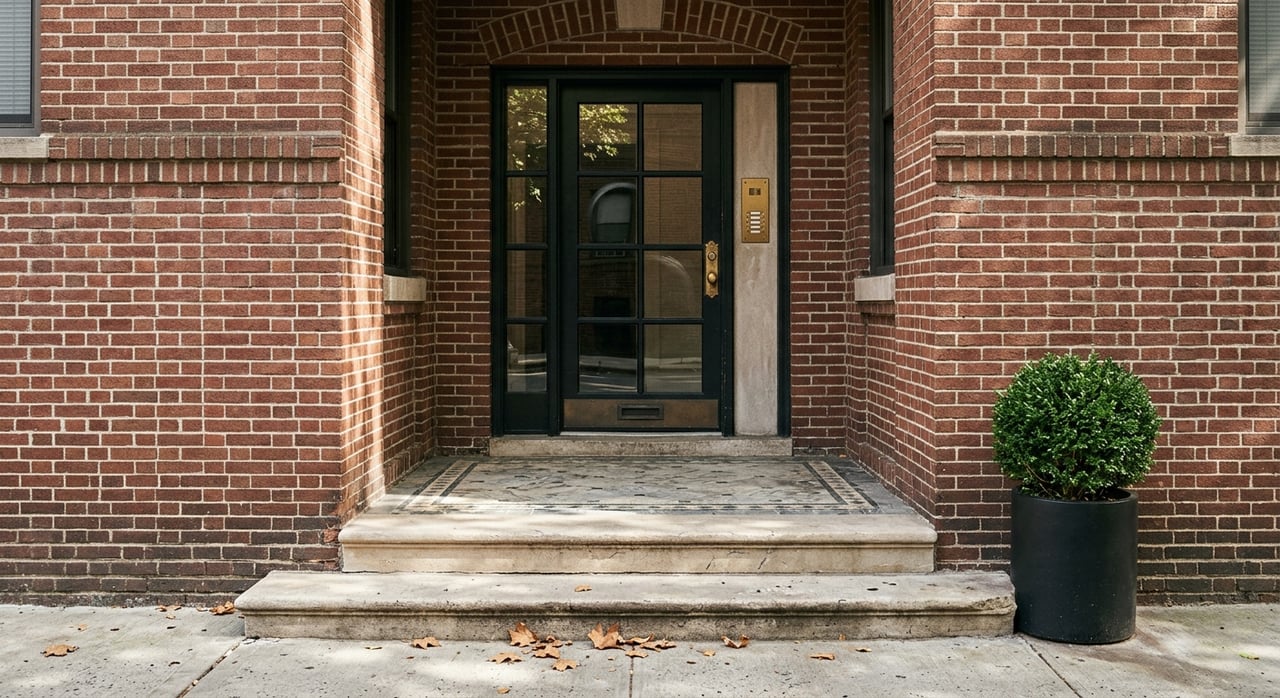
You can love Gramercy and still get tripped up by one of its biggest selling points. In this part of Manhattan, a park-facing address, a park view, and an actual Gramercy Park key are not the same thing. If you are weighing a co-op purchase near the park, this guide will help you separate marketing language from legal rights, understand how New York co-op ownership works, and know what to verify before you get too far down the path. Let’s dive in.
Gramercy Park is not simply a neighborhood amenity. According to the New York City Landmarks Preservation Commission, it is the city’s only privately maintained park, and access is generally restricted to owners under the original deed structure tied to the surrounding lots.
That distinction shapes the market in a very real way. A property near Gramercy Park may carry prestige and value because of its location, but that does not automatically mean the apartment comes with park-key rights.
For buyers, the most important takeaway is simple: do not assume access from the address alone. Local trust materials and the NYC Independent Budget Office indicate that keys are available to residents of some, but not all, buildings immediately around the park.
In Gramercy, these are three separate categories:
That difference matters because keyed inventory is tied to a very small group of surrounding buildings and lot owners. In practical terms, scarcity is not just about location. It is about the specific building and the rights attached to that building.
If you are close to making an offer, treat park access as a document issue, not a lifestyle assumption. The safest approach is to verify, in writing, whether the unit or building conveys park-key access and how that access is administered.
Buying a co-op in New York is different from buying a condo. Instead of receiving a deed to real property in the usual sense, you buy shares in the corporation that owns the building and receive a proprietary lease or occupancy agreement.
That structure affects everything from financing to monthly costs to board review. Your monthly maintenance typically covers building operating costs, property taxes, and in some cases the building’s underlying mortgage.
The co-op board operates under the building’s bylaws and proprietary lease. That means your rights, obligations, and approval path are shaped as much by the building’s internal documents as by the price you agree to pay.
Gramercy can be unusually document-driven, especially in older co-op buildings near the park. Between the private park structure, historic-district context, and co-op governance, buyers need to read beyond the listing language.
The New York Attorney General recommends reviewing the full offering plan and consulting an attorney before signing a purchase agreement. For existing buildings, the Attorney General also recommends reviewing board minutes and recent financial reports because those materials can reveal current issues that older offering plans may not.
This is especially relevant in resale transactions. The Attorney General notes that resale disclosures may not provide current or complete information in the same way a sponsor sale might, so your protection often comes from the contract, building records, board minutes, and attorney review.
If you are considering a Gramercy co-op, focus on the materials that reveal building condition, governance, and possible future costs.
According to the Attorney General, records often reveal building concerns such as:
These items matter because they can lead to special assessments, larger maintenance changes, or a slower path to closing.
One of the biggest surprises for co-op buyers is that your personal finances are only part of the equation. For a conventional co-op share loan, the building itself also has to meet lender and project standards.
Fannie Mae defines co-op share loans as loans secured by your ownership interest in the co-op corporation and your right to occupy the unit. It will purchase these loans only for principal residences or second homes, not investment properties.
That makes the lending path more specialized than a standard condo purchase. In Gramercy, where many buyers are considering unique prewar buildings, building-level eligibility can become the main hurdle.
Fannie Mae states that an eligible co-op project must meet standards that can include:
This means even a well-qualified buyer can hit a wall if the building does not meet lending standards. It also helps explain why experienced co-op lenders are so important in Gramercy transactions.
Co-op deals in New York are often more involved than condo purchases. Consumer guidance cited in the research report notes that co-op purchases commonly require a share loan, a board interview, character references, and a more rigorous application process.
The timeline can also be less predictable. In New York City, closings are attorney-driven, and there are no binding obligations until attorneys prepare and both parties sign a formal contract.
After contract, the process usually moves through lender underwriting and board review. In a Gramercy co-op, that can mean a longer path from accepted offer to closing than buyers expect if they are more familiar with condo transactions.
If a listing is being marketed around Gramercy Park access, this is the moment to slow down and confirm details. The research report supports a cautious, written approach rather than relying on verbal assurances.
In a market where the value of the park can shape pricing, written confirmation matters. If the right is important to your purchase decision, it should be clearly documented.
If you plan to renovate after closing, Gramercy’s historic-district status can influence your timeline. The Landmarks Preservation Commission states that most exterior changes to buildings in historic districts require review, and permits are required for many alterations affecting the exterior or work in a historic district.
Interior work is often more straightforward, but projects involving facades, windows, or other visible exterior elements may need LPC approval. If your plan depends on immediate post-closing work, it is wise to understand that review process before you commit.
Gramercy buyers often pay for nuance. A beautifully run co-op, a sound financial profile, manageable board procedures, and clear documentation around park access can matter just as much as square footage or finishes.
That is why two apartments that seem similar on paper can have very different risk profiles and closing paths. One may offer a smoother financing process and clearer rights, while another may require deeper diligence on building condition, approvals, or access claims.
If you are serious about buying in Gramercy, a disciplined search can save time and reduce surprises.
This approach is especially useful in a small, prestige-driven market where inventory can move on reputation and narrative. In Gramercy, the details behind the narrative are often where the real decision gets made.
If you want a calm, building-specific read on a Gramercy co-op or a discreet look at inventory that may never hit the broad market, Charlar Acar can help you evaluate the facts, navigate board and financing hurdles, and move with more confidence.
Stay up to date on the latest real estate trends.
October 15, 2026

Market Update
Charlar Acar | October 10, 2026
Supply Is Still Tight. Buyers Are Discerning. Luxury Continues To Outperform
October 8, 2026
October 1, 2026

Market Update
Charlar Acar | September 25, 2026

Homebuyers
Charlar Acar | September 25, 2026
September 24, 2026
September 17, 2026

Lifestyle
Charlar Acar | September 10, 2026
For more than 6 years as an ABR, he has merited the trust of his clients and the respect of his colleagues in the real estate industry. He keeps confidences and represents each party with the highest level of service while bringing intelligence and skill to each transaction, large or small.